
Australian River Swim Safety
Contents
- 1 The answer on safety is straightforward
- 2 What kind of bacteria?
- 3 The mechanics of water testing
- 4 Interpreting enterococci
- 5 The Risks of Rivers in the Rain
- 6 Pre-Swim Checks
- 7 Is It Safe in Australian Rivers?
- 8 Some Regional Monitoring
- 9 A Guide for the Day
- 10 Some parting thoughts on river swimming
- 11 Answers to your questions on river swimming
The answer on safety is straightforward
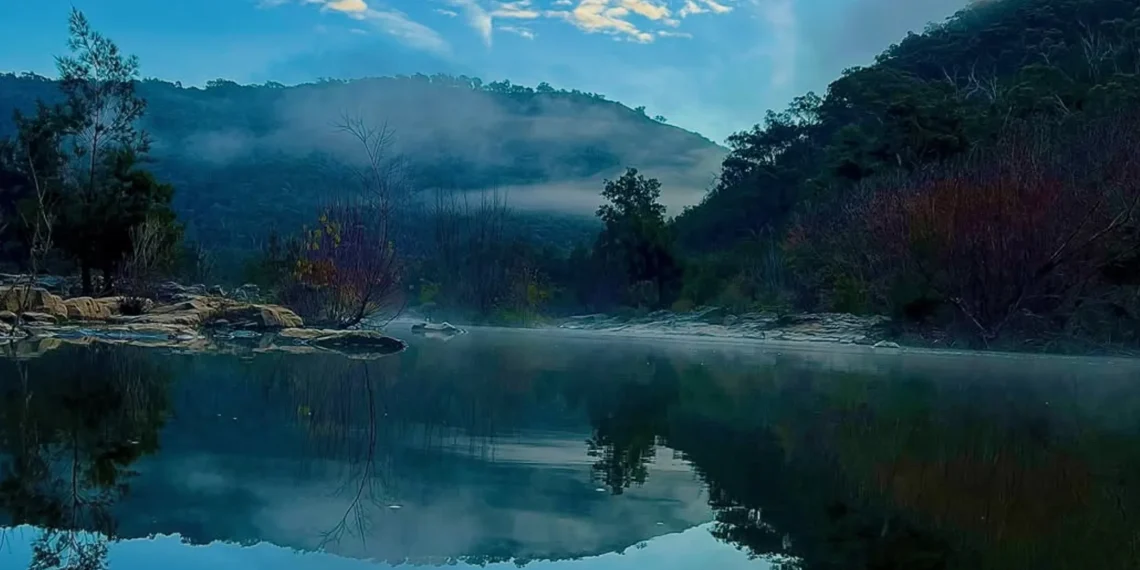
There is a basic tenet to Australian River Swim Safety: do not assume a river is safe to be in just because the water appears so. Confine your swimming to places that are well known, heed any advice put out by health departments or local councils and steer clear of natural waterways in the wake of flooding, heavy rain, sewage problems or anything else that looks like pollution.
Bacteria in our rivers are monitored for the most part by way of water samples and testing for things like enterococci. That gives authorities some idea of the microbial quality, but there is no test that will act as a force field from all manner of health risks. One day’s results can be superseded by the next, particularly with stormwater about. As Riley Pearson would have it, approach a river as you would the weather: see what the latest information has to say before jumping in, including when checking American river quality, do not be swayed by a blue sky.
You might apply the same logic to an American river, but in Australia the climate, the catchments and the warning systems are of a different order. A spot on the Murray, in the Top End or around Brisbane calls for its own judgement.
What kind of bacteria?
When testing for contamination of a faecal nature, one is looking at organisms that could be traced to human sewage, animals, over-taxed septic systems, polluted catchments or runoff from the storm drains and overflowing ones.
Enterococci is the indicator of choice across Australia for recreational waters; their presence may point to other pathogens being there too. It is a practical way to monitor bacterial water quality, if not a means of singling out every harmful organism.
More than just indicators
Enterococci are not the only thing to worry about in a waterway. There are viruses, parasites, the odd amoeba in warm fresh water, not to mention chemical pollutants, poor visibility and sharp objects. A lab report on an indicator does not preclude all hazards.
And unlike a beach, a lake or dam or river is subject to the vagaries of flow, sediment, depth and wildlife. What was a placid place to swim in the morning can be fast and murky or contaminated come afternoon. Nature is not inclined to put things on a timetable.
The mechanics of water testing
It is down to the state agencies, health departments and local councils to pick an area that is popular or has a reputation for pollution. They will put a sample in a sterile container, note the conditions and have it analysed.
The figures, be they in colony-forming units per 100ml or some other laboratory measure, are then weighed against public-health guidance and the lay of the land. The environmental health guidance from the Australian Government is instructive in this regard.
A single sample tells you little
Water quality in a river has a way of changing quicker than you can put up a sign. Rainfall, tides, a sewer overflow or something coming down from upstream will alter the scene after the sampling is done.
So trend data and predictions hold more value. Authorities will use geometric means and percentile values to make sense of the statistics instead of making much of an aberrant result. Jurisdictions differ on their thresholds and the process for a public warning, so let the local authority be your guide rather than attempting to make head or tail of the numbers yourself.
Interpreting enterococci
An elevated reading is tantamount to a higher risk of gastrointestinal trouble and faecal contamination. Nausea, fever, cramps and vomiting are among the symptoms. Those with a compromised immune system, the elderly, pregnant women and children should be more circumspect.
The NHMRC has guidelines for the assessment of recreational water but that is no guarantee of a site’s safety at any given time. A guideline may be met yet another hazard is there, or the situation may have deteriorated since the sample was taken.
Take in the entire notice
A number is not the whole story. See if there is any reference to algae, dead fish, odours, cloudy water, unsafe currents or chemical and sewage pollution. An “open” status is not to be read as perfect, merely that there is no restriction in place under the local system.
It is a mistake many make to equate clear with clean. Your eyeballs, however good they are, will not tell you the microbial quality of the water. Bacteria can be present in the clearest of water and brown water after a rain is often just sediment.
The Risks of Rivers in the Rain
For swimmers, what the water is like after a good rain is a matter of some practical concern. The downpour will run off roads, farms and city surfaces and into the drains and waterways, taking with it all manner of pollution: animal faeces, oil, fertiliser, soil and litter.
Then there is the question of stormwater runoff overloading the sewage and drainage infrastructure. A river can be laden with contaminants from upstream even if the spot where one is to swim appears dry and untroubled. Hence the local counsel to put off swimming when it is raining and for some time after.
A Rainfall Buffer
One should not make up a universal rule for how long to wait; the right buffer is a function of the catchment, the rainfall and the waterway in question, as well as what the authority has to say on the matter. If a storm has brought flooding or you see visible runoff, heed the latest word from the health department or council.
In the case of the Gold Coast, one would do well to get the current information before making for Tallebudgera or Currumbin Creek. Be aware that conditions are subject to tides, saltwater, upstream rain and how many are already in the water. Swimming advice from the Gold Coast is not the same for an inland site as it is for a beach or creek.
Pre-Swim Checks
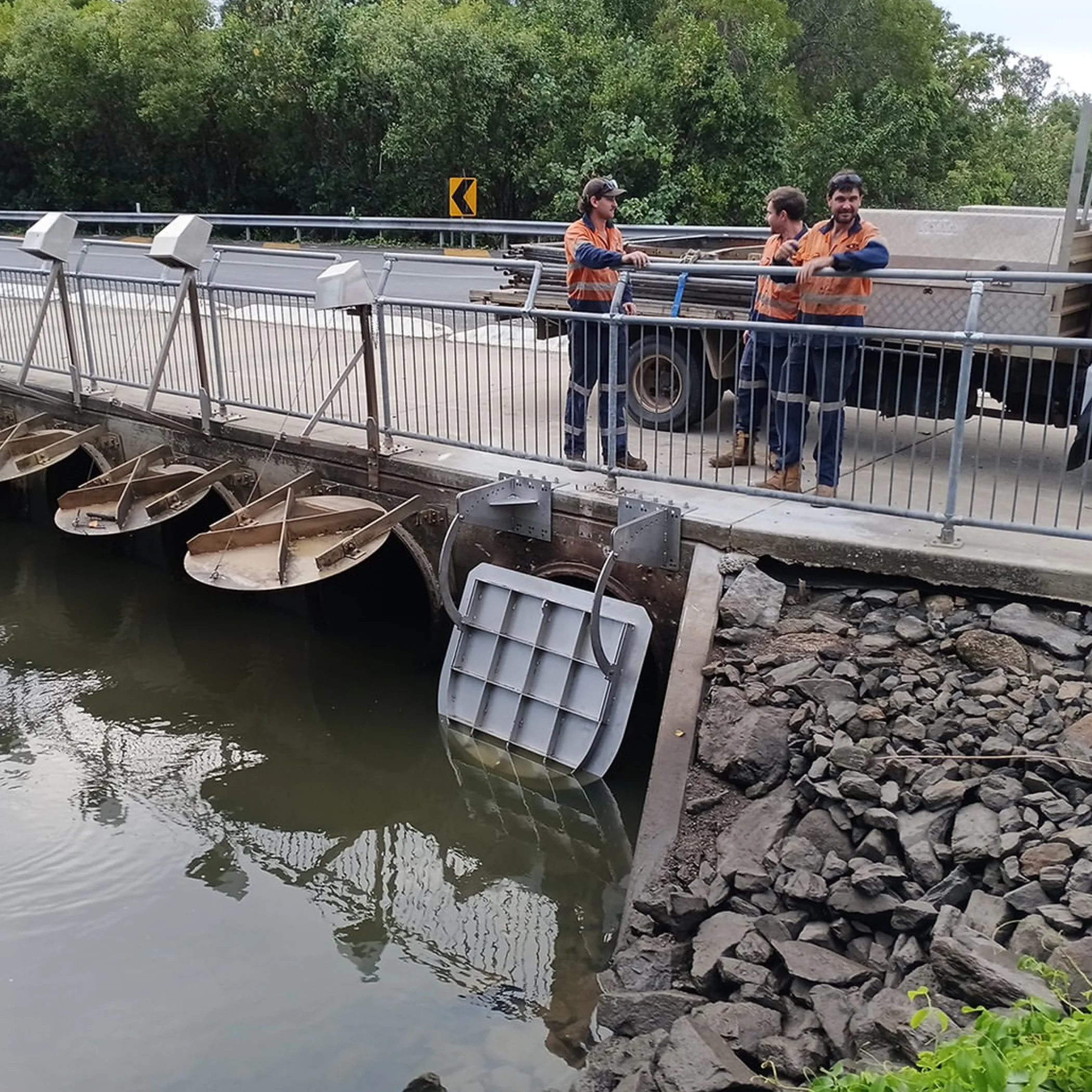
It is worth a few minutes to look things over beforehand and spare oneself a couple of days of gastroenteritis. Start with the official local notices, then have a look at the site for any telltale signs.
- Council or health department will have put out a notice if there has been heavy rain, flooding, algae or sewage problems, or if currents are unsafe.
- Any water with a discolouration, foam, an oily sheen, debris or an odd smell is best left alone.
- Stay clear of livestock, dead animals and the likes of stormwater outlets and pipes.
- Cover any cuts, do not drink the water and wash your hands prior to food.
- Should an official warning come to hand or the situation alter, leave.
What To Pack
Sturdy shoes, a towel, sun protection, a phone with charge and some drinking water should be in the bag. For a remote river where a doctor is a long drive away a first-aid kit is a sensible precaution. Out in the bush, put your return route in front of someone and do not count on having mobile reception.
Do not let parking and access be an afterthought. You may have to put in a walk over rough ground to some riverbanks and the more popular creeks will be full. Factor in the time to put away wet gear and find a legal space to park. An improvised float or a tinnie does not take the place of a lifejacket, common sense or knowing the area.
Is It Safe in Australian Rivers?
There are freshwater areas in Australia fit for recreation provided the authorities have not put out a warning and the going is good. But you will find others ruled out by crocodiles, shipping, poor access, unstable banks, strong currents or pollution.
So the answer as to whether an Australian river is safe is very much dependent on where you are. Do not put a well-monitored hole on a par with an isolated part of the Brisbane River, a billabong in the Top End or a section of the Hawkesbury-Nepean that has been flooded.
Extra Precautions
Weak swimmers and young children ought to be kept within arm’s length of an adult who can handle himself. It is not advisable to be in unfamiliar water on your own. Those with a compromised immune system, open sores or who have been ill of late might want to steer clear of natural waterways where there is a risk of contamination.
Up north, check the signage and be croc-wise before you put in to a river or billabong. The wet season will see water levels put on quickly, banks give way and access roads turn to mud. In the dry the same old spot could be shallow and stagnant. The season is as good an indicator as any test result.
Some Regional Monitoring
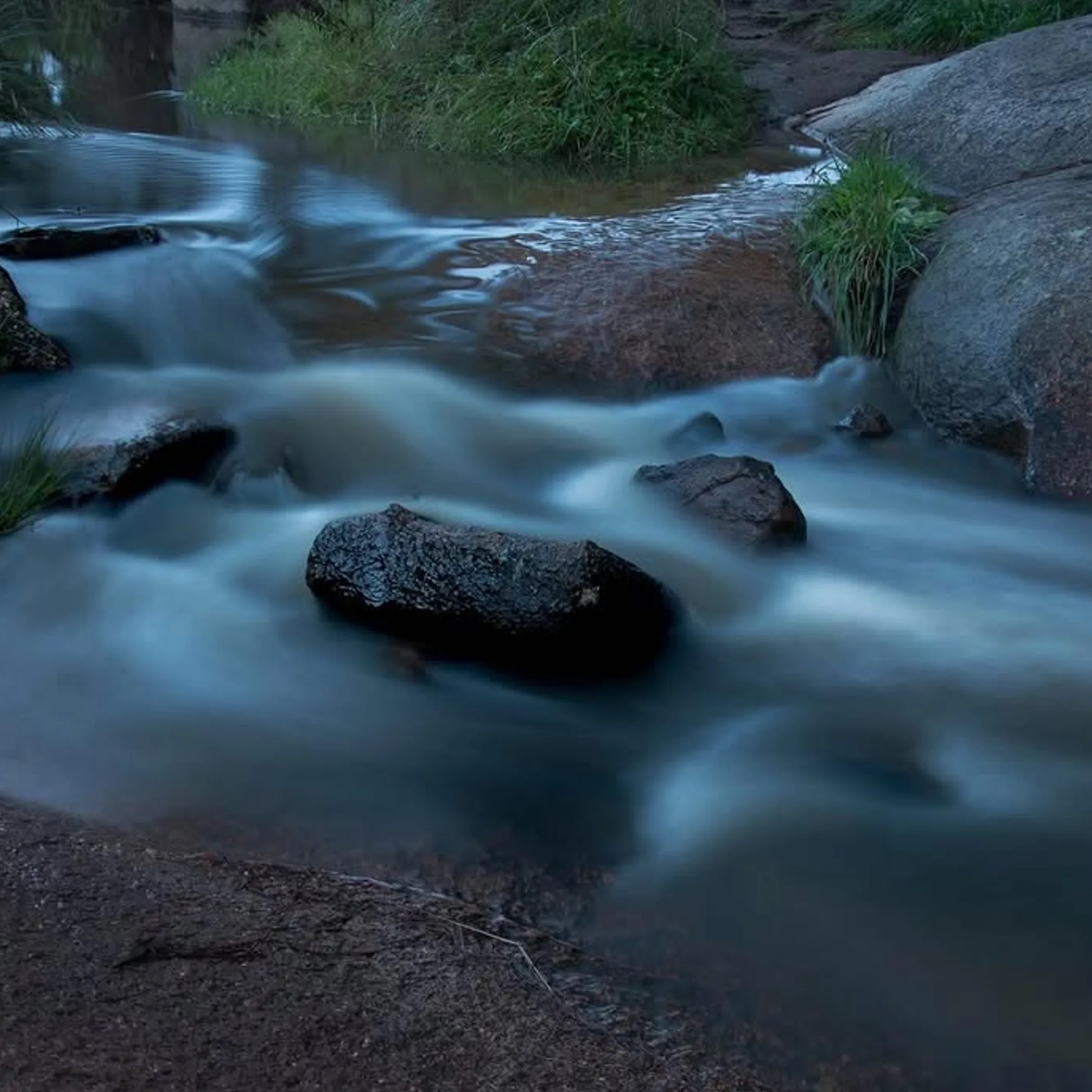
You will not get a national answer because every region has its way of putting out public information. Western Australia has the Department of Health and HealthyWA for their conditions, other places rely on state agencies and councils.
The City of Gold Coast will have something to say about its urban waterways, Noosa Shire Council is a good reference for around Noosa. While the Surfrider Foundation Australia and the ANU have their part to play in research and debate on water quality, any closure will be from the responsible authority.
| Waterway / Region | What To Check | Practical Caution |
|---|---|---|
| Brisbane River | Rainfall and pollution notices, local council and health warnings | Vessel traffic and urban runoff are factors; do not be lulled by a calm surface. |
| Tallebudgera Creek | Crowding, creek conditions, recent rain and Gold Coast advice | After a storm the upper and lower reaches can be quite different. |
| Currumbin Creek | Local warnings, tides, rainfall and visible runoff | Make use of established access points and do not let your children out of your sight. |
| River Murray | Advice of the local authority, weather, flow and algae | Look for isolated access, submerged obstacles and currents that can change. |
| Hawkesbury-Nepean River | Local closures, flooding and pollution alerts | Urban and catchment runoff can alter conditions long after it has rained. |
Reality and Expectation
You might think a sign at a swimming spot is testament to all risks being put to the test. In fact, monitoring is done at intervals and some parts of the river are not routinely sampled.
A clear day does not equate to clean water; once the clouds have gone there can still be contamination. And while a short dip seems innocuous, getting contaminated water in your mouth or on an open wound is a health risk.
A Guide for the Day
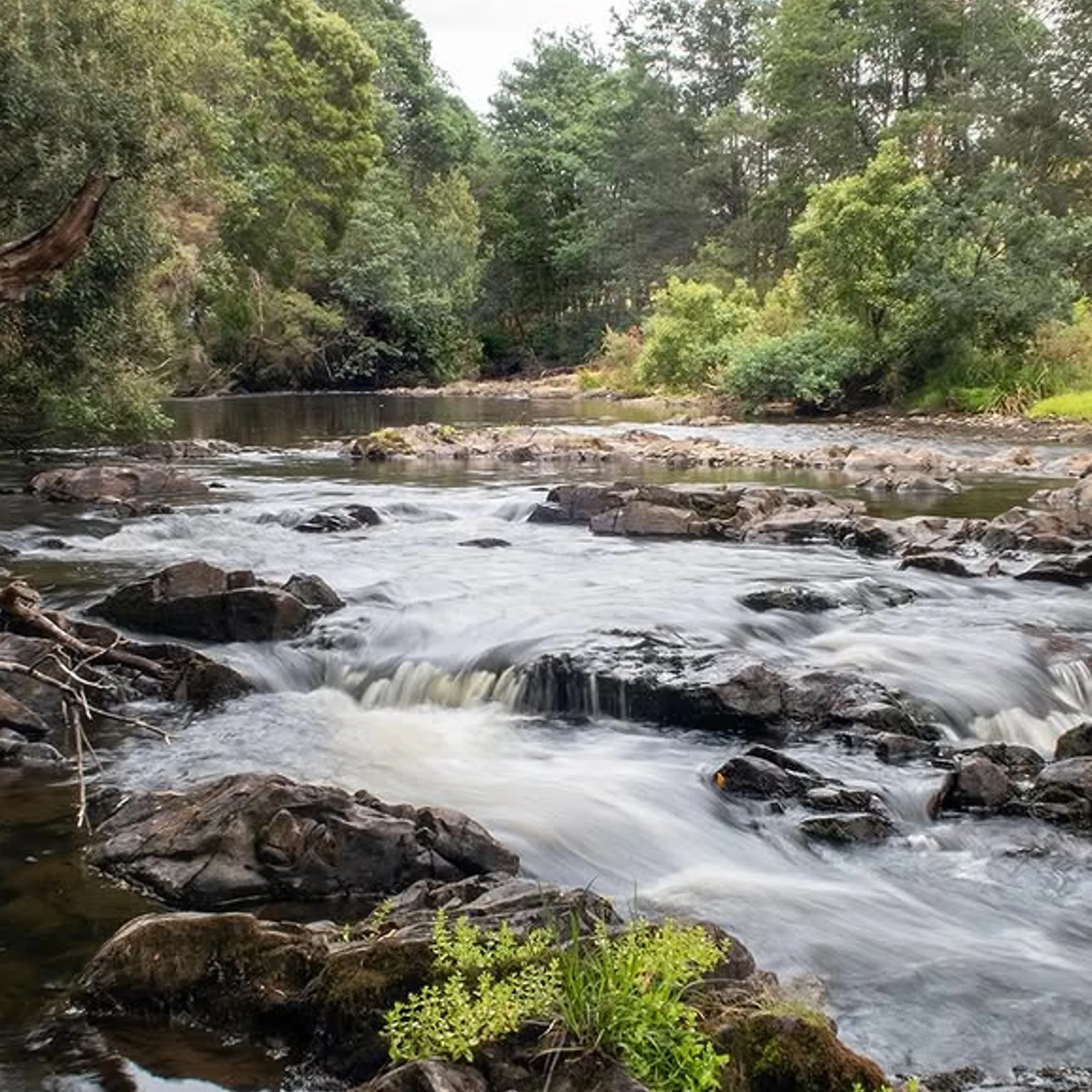
For a one-day outing, make for a recognised swimming area where you can find up to date public information and the entry is staffed or at least well used. Have a look at the rainfall figures before you head off, the morning’s warnings and then the conditions on your arrival.
This is for the confident swimmer able to take local counsel and know when to turn back. Not for the novice intent on an unknown river by himself, unsupervised children or those who put their trust in an old social media post from last summer.
Factor in enough time for the journey, parking, a walk to the water and back. Costs are location dependent: an urban site is only a matter of fuel or a bus fare, but a more remote area could mean park fees, a four-wheel-drive, food and somewhere to put up for the night. Verify the charges as they are apt to change.
Some parting thoughts on river swimming
While monitoring for bacteria in Australian rivers will tell you of contamination, it is no substitute for using your own judgement. Stick to the official word, give rainfall warnings due respect and shun any water that looks questionable.
The quality of an Australian river is a moving thing, dictated by the weather and what is happening in the catchment. If you are in any doubt, leave the swimmers dry and put the billy on to boil. The river is not going anywhere until things are better.
Answers to your questions on river swimming
Is It Safe To Swim In Australian Rivers?
Only in places and at times. After a spell of bad weather the answer is no. Heed the local advice and keep clear of any water that has warning signs, sewage issues, strong currents, algae or is visibly polluted.
Tallebudgera Creek?
It is a question of conditions. Before you make the trip, see what the City of Gold Coast has to say, particularly if it has been raining. Use the proper access points, watch over the children and check the creek for debris and fast running water.
How Does Australia Monitor Water Quality?
By way of indicator organisms like enterococci, authorities will sample the water at certain swimming areas. Their warnings are based on what the lab shows as well as any trends, rainfall and other hazards in the catchment.
What of the Brisbane River?
Do not be fooled into thinking it is safe for a swim because the water is calm. There is the matter of vessel traffic, tides, stormwater and infrastructure to consider along with pollution. Unless you have the go ahead from local officials, pick an alternative that is recognised.
After a heavy rain?
Better to wait and be guided by locals than to count the hours. Rain will bring bacteria and pollution to the rivers and it lingers. If the water is fast, smelly, full of litter or just murky, do not go in.