
What Should A Microblading Course Manual Cover?
The question “What should a microblading course manual cover?” pops up in almost every consult we have with new students at our Brisbane studio, and it’s one we’re always happy to dive into. We get a lot of students coming to us after comparing different microblading course options across Australia and wanting to know what high-quality training should actually include.
When you train with artists like us – Uliana Kasperksa here in Brisbane, or our mates across Australia – you don’t just want a thin booklet that’s rehashing stuff from Google. You deserve a proper, well-structured manual that prepares you for real people, real skin, and real clients.
Contents
- 1 The Essentials Every Training Manual Must Include
- 2 Understanding Skin — The Real Foundation Of Every Brow
- 3 Hygiene, Infection Control & Legal Requirements
- 4 Tools, Needles, and Machine Knowledge
- 5 Pigment Theory — The Part Most Students Underestimate
- 6 Brow Mapping — Your Blueprint For Every Client
- 7 Stroke Patterns & Microblading Technique
- 8 Client Consultations — Scripts, Questions & Red Flags
- 9 Aftercare — What Clients Need To Know
- 10 Correction Work — When You Must Slow Down And Reassess
- 11 Business, Pricing & Client Management Essentials
- 12 Your Manual Should Feel Like A Second Trainer
- 13 FAQ
- 13.1 Can you really learn to do microblading without a reliable manual?
- 13.2 Is it really necessary for Australian manuals to include council regulations?
- 13.3 Do all decent manuals cover pigment selection and colour theory?
- 13.4 How long should a manual be anyway?
- 13.5 Should it include live model examples?
The Essentials Every Training Manual Must Include
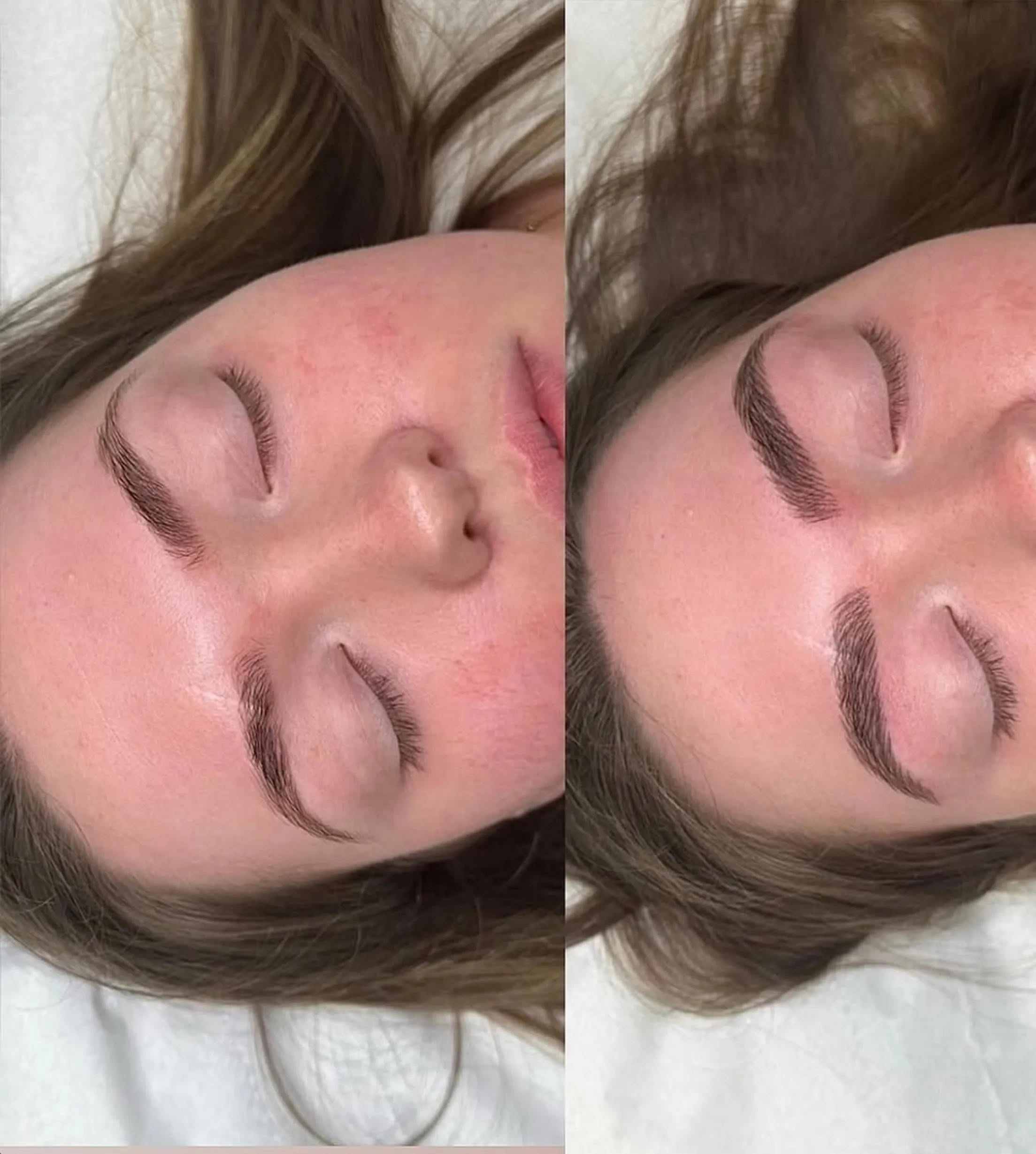
A quality manual sets the foundation for safe, confident, and consistent brow work. Think of it as the guide that stays with you even after your training course is over. Loads of students tell us they wish their eyebrow tattoo courses had given them clearer written resources, because good manuals make learning easier and less overwhelming.
When we train new microblading artists, we only include what’s accurate, up to date, and actually useful for real-world eyebrow microblading and eyebrow tattooing – no filler, no old diagrams, no recycled text. If a manual can’t help you when your hands are shaking over your first set of brows, it’s not doing its job.
Understanding Skin — The Real Foundation Of Every Brow
A good microblading manual always starts with skin anatomy, because microblading tattoo work is a skin-penetration procedure governed by Australian standards. Students who’ve taken an eyebrow tattoo course before often say they didn’t get enough detail on how different skin behaves – and it shows in their technique.
You need to get:
- A clear understanding of the different layers of skin
- How skin types affect pigment retention
- Why oily, dry, mature or thin skin all behave differently
- Fitzpatrick classification and its role in colour theory
- How Brisbane humidity affects skin healing
When I work with students, I show them healed results from real-life models – like the difference between a 22-year-old with good skin and a 55-year-old with sun-damaged skin. The technique can’t be the same, and your manual needs to explain that clearly and visually.
Hygiene, Infection Control & Legal Requirements
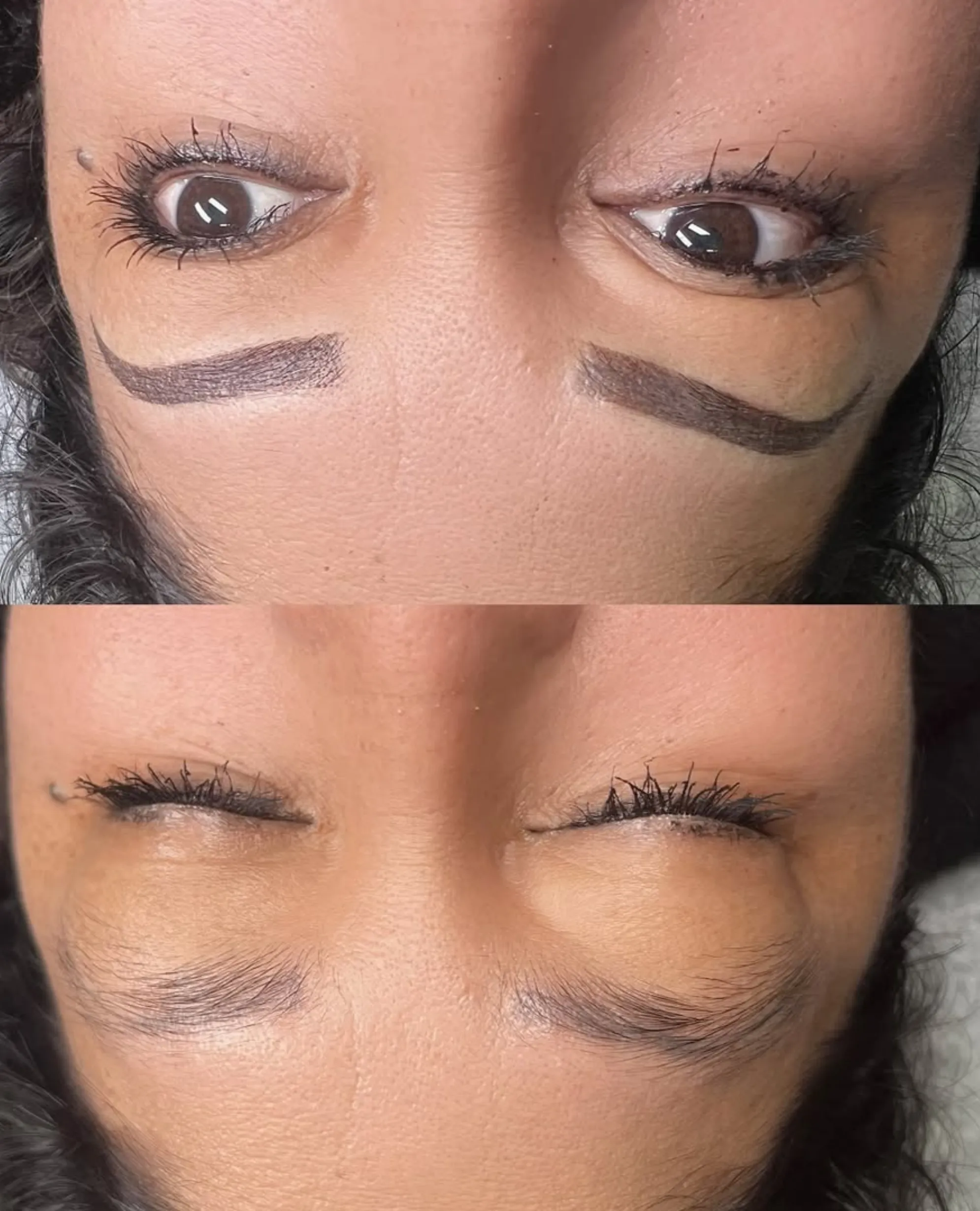
If a manual skips over this, bin it. Serious cosmetic tattoo training includes detailed infection-control guidelines aligned with local council regulations. We see students all the time who first did a lip tattoo course or eyeliner tattoo course elsewhere and are shocked at how much deeper our hygiene and safety content goes.
You should see:
- How to keep your hands clean and hygienic
- Sterile treatment area setup step-by-step
- What must be disposable vs disinfected
- Proper sharps and needles disposal
- Workstation preparation from start to finish
Queensland and Victoria treat brow tattooing as a regulated skin procedure, so your manual must reflect that – not vague “best practice” advice.
Tools, Needles, and Machine Knowledge
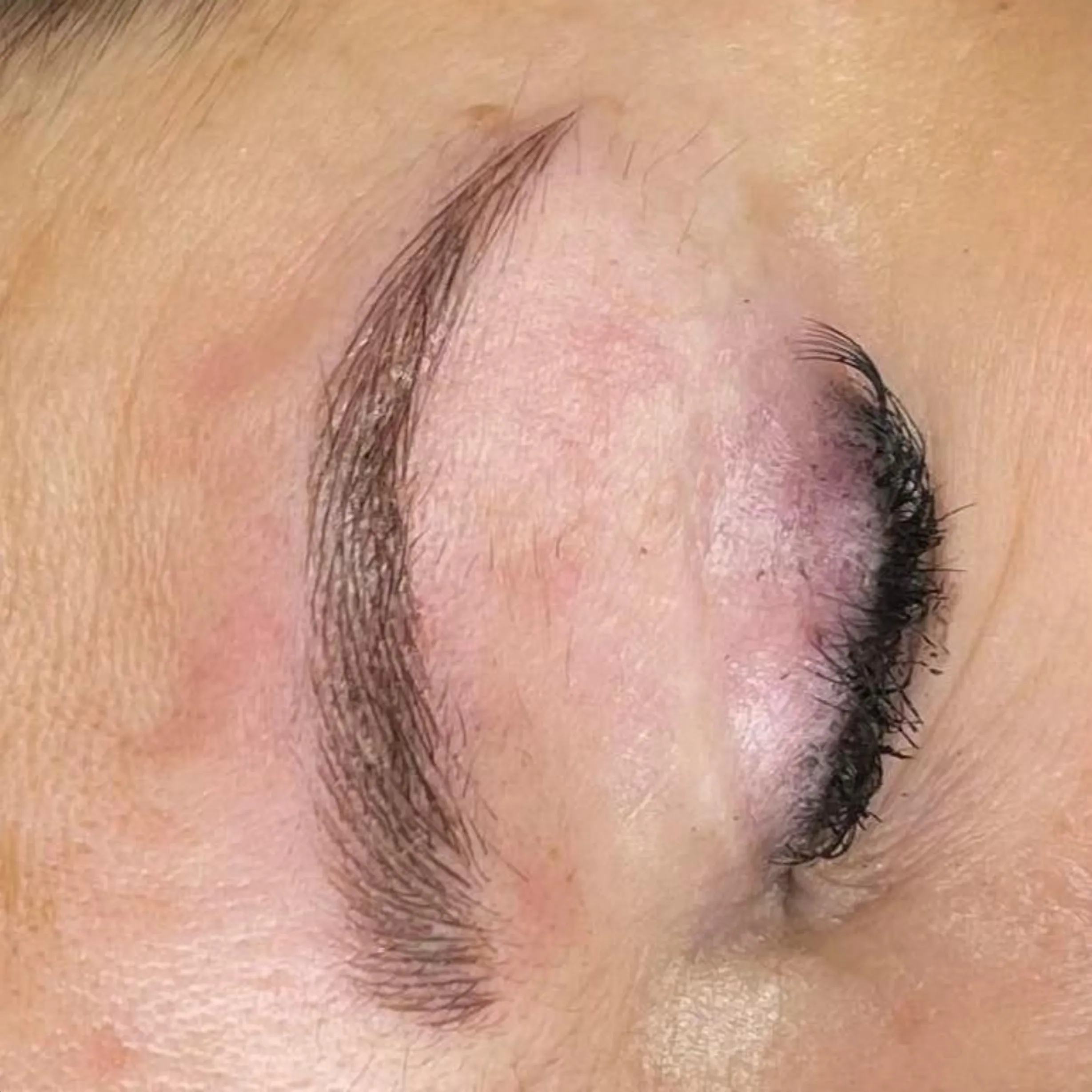
Even though microblading uses handheld blades, a solid manual covers all tools, including digital and manual systems. Many students move from a microblading course into machine-based brow tattooing or combination techniques.
Your manual should clearly explain:
- Microblading needles and blade types
- Safe angles and grip
- Differences between machine and manual tools
- When machine shading is safer than strokes
We include diagrams showing blade curvature and needle depth, so students understand why over-blading and poor retention happen.
Pigment Theory — The Part Most Students Underestimate
Pigment theory is one of the biggest pain points in permanent makeup. Manuals must explain it in simple, practical steps. Students from a quick eyebrow tattoo course often realise too late how much they missed.
You should see clear explanations of:
- Warm, cool and neutral undertones
- How pigment changes during healing
- Why Queensland sun affects colour longevity
- When old pigment can be corrected
- When adding warmth is necessary
We use real case studies that show exactly how pigment behaves on real clients.
Brow Mapping — Your Blueprint For Every Client
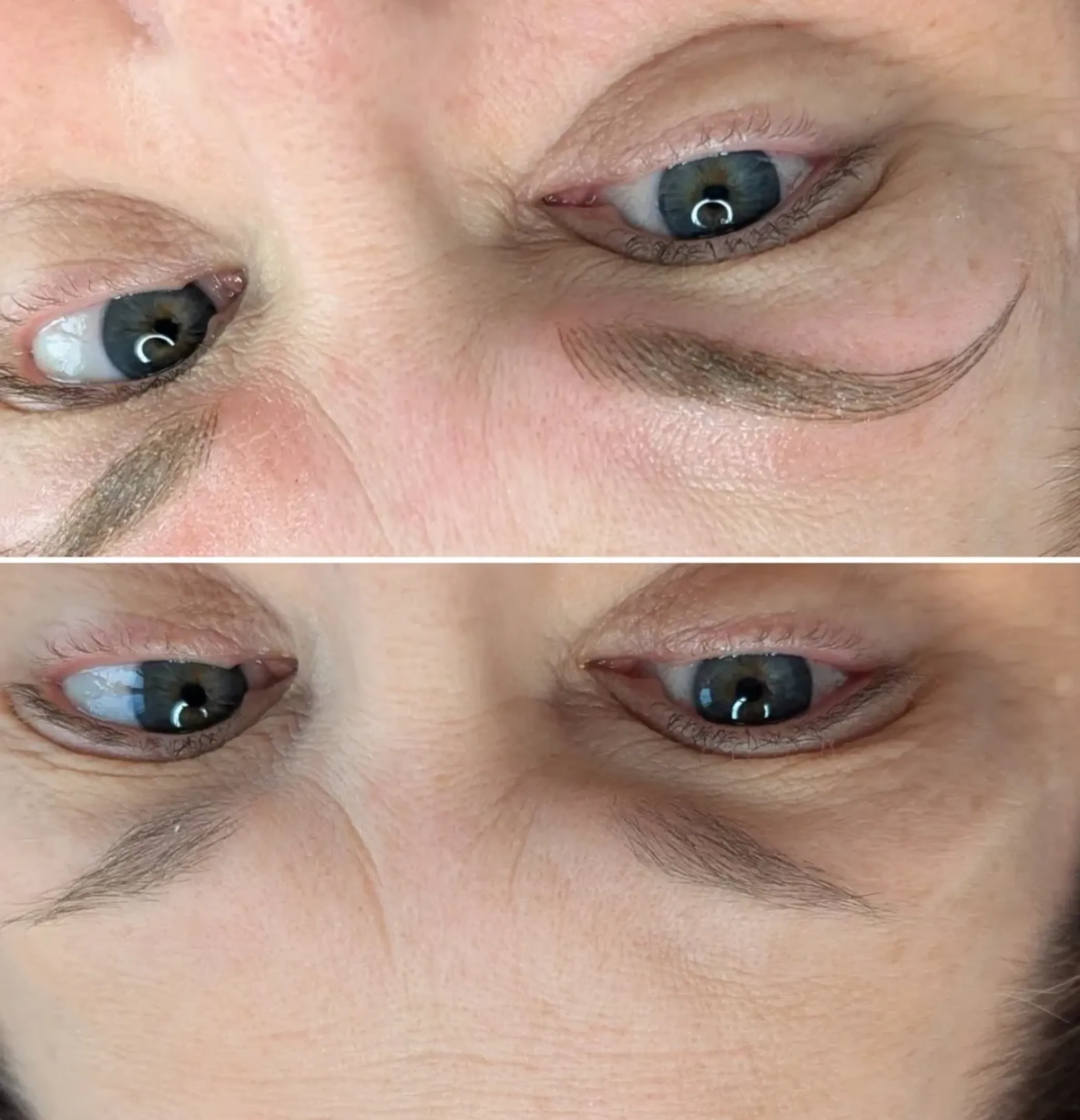
Brow mapping isn’t about stencils – it’s brow science. A good manual must include:
- The golden ratio in mapping
- Step-by-step mapping techniques
- Correcting facial asymmetry
- Mapping difficult brow bone structures
- Avoiding dated brow shapes
Many students say it finally clicked when they saw real examples laid out in a detailed manual.
Stroke Patterns & Microblading Technique
This is where beginner and advanced microblading courses really separate.
A strong manual shows:
- Directional hair strokes and flow
- Why crossing strokes causes problems
- Correct stroke application
- Stretching techniques
- Safe, consistent needle depth
It should also clearly explain when not to microblade – like during skin peels, with oily skin, or fragile skin types.
Client Consultations — Scripts, Questions & Red Flags
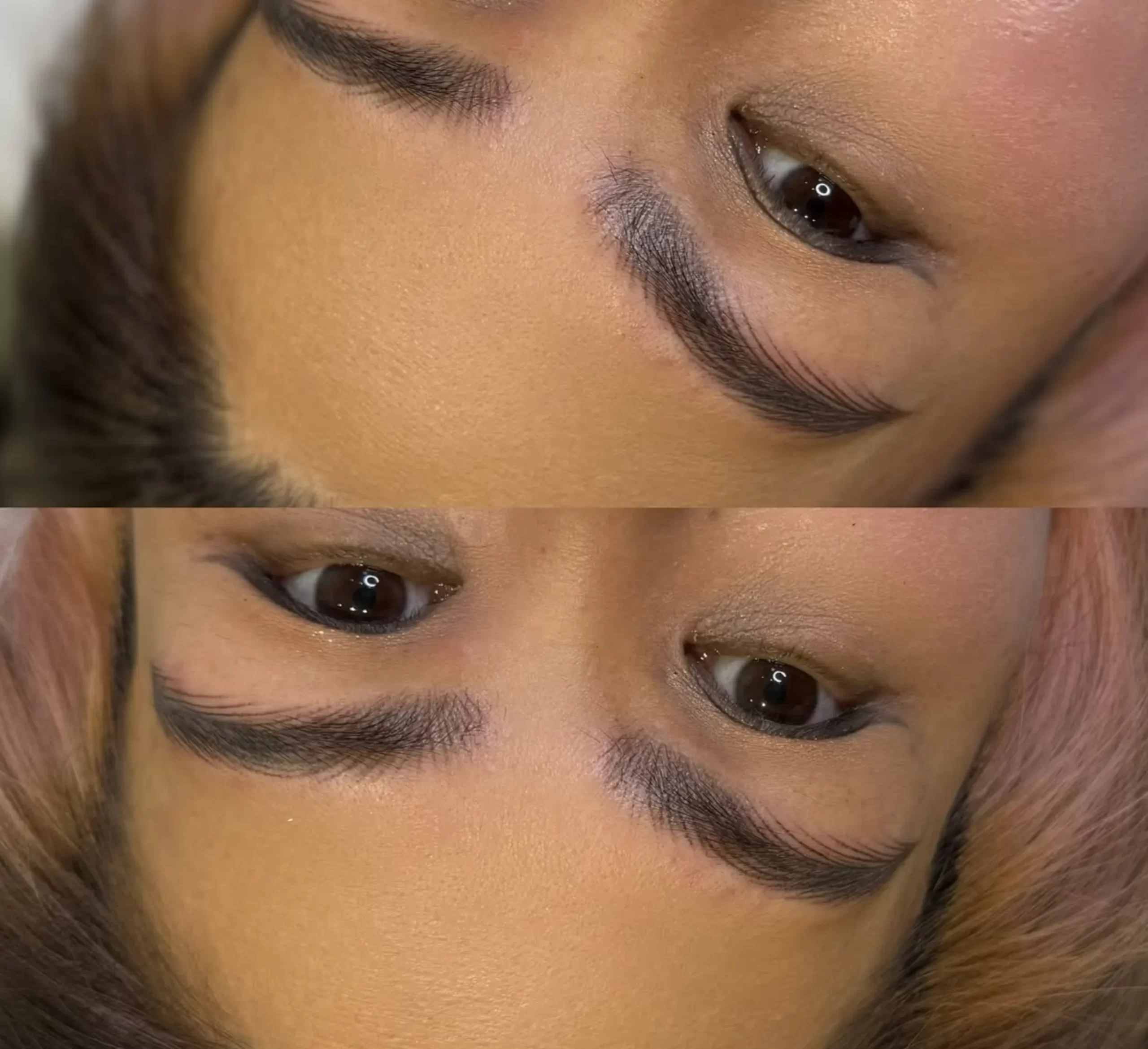
A truly great manual goes beyond technique and teaches client communication. Many students from basic lip tattoo or eyeliner training tell us they were never taught how to run a proper consultation.
You need guidance on:
- Running an in-depth consultation
- Spotting contraindications
- Identifying recent skin treatments
- Setting realistic expectations
- Knowing when to say no
Real client stories make this section practical, human, and easy to apply.
Aftercare — What Clients Need To Know
Your manual should be crystal clear on all this:
- What to expect each day as the area heals
- Dealing with scabbing, dryness and flaking skin
- How sweat, sun and skincare affect the healing process
- When the colour stabilises
- When to come back for a touch-up
Below is the timeline we give to all our students.
Lots of students who train in multiple areas – like an eyeliner tattoo course or lip tattoo course – soon realise that brow healing has its own special characteristics that need explaining in detail.
Correction Work — When You Must Slow Down And Reassess
Don’t even get us started on beginners who aren’t ready for this bit – but a proper training manual will introduce you to the basics.
Expect to cover topics like:
- How to assess old pigment
- When to use saline to remove old colour
- Why you can’t just cover a cool-toned brow with microblading
- The risks of layering strokes over old shading
We get students coming to us who’ve just done a microblading course elsewhere and suddenly discover correction work wasn’t covered at all – which is a massive red flag in advanced brow education.
Business, Pricing & Client Management Essentials
A really well-rounded manual also prepares you for the business side of things. Students who’ve come from broader programs – like an eyebrow tattoo course or a general cosmetic tattoo course – often appreciate having scripts, templates and realistic pricing guidance built right into the manual.
This section will usually include:
- A guide to pricing
- How to take quality client photos
- Consent forms and policies on cancellations and contraindications
- What to expect from face-to-face training
And we also supply scripts to help you out, like:
“We’ll be sending you a healing guide each week to help you through – here’s what your brows will look like so you can get an idea of how they’ll be changing.”
Your Manual Should Feel Like A Second Trainer
A really good microblading course manual should feel like a go-to mentor – something you can rely on whether you’re doing your first few brows or your hundredth set. It should clearly explain mapping, pigments, tools, and skin anatomy in a way that’s easy to understand.
If your current manuals from previous eyebrow tattoo courses or cosmetic tattoo workshops leave you feeling unsure, reach out to Cosmetic Tattoo Studio Brisbane Face Figurati – we’re always happy to help you figure out the next step and offer guidance.
FAQ
Can you really learn to do microblading without a reliable manual?
Honestly, no. Hands-on experience matters, but a written guide is essential for remembering colour theory, mapping and hygiene.
Is it really necessary for Australian manuals to include council regulations?
Yes – it’s a tattoo procedure, and there are rules to follow, so manuals must stay up to date.
Do all decent manuals cover pigment selection and colour theory?
They absolutely should. If a manual skips pigment behaviour, it’s incomplete.
How long should a manual be anyway?
Most serious manuals are between 40 and 100 pages, depending on training depth.
Should it include live model examples?
Definitely. Seeing finished results, needle depth and healing outcomes is vital for becoming a confident artist.