
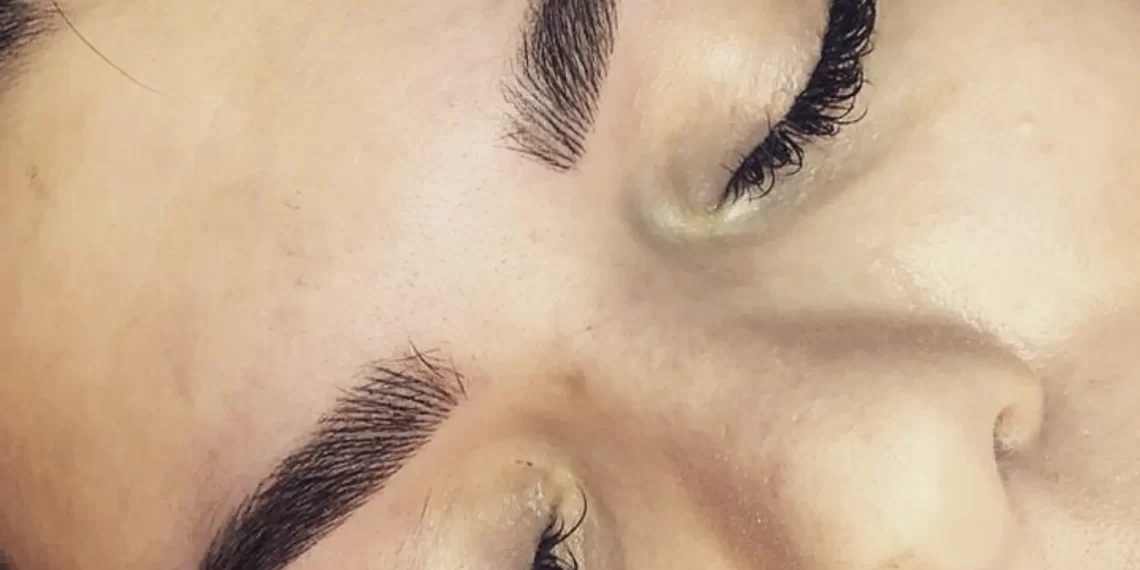
How Many Years Does Microblading Last?
So let’s talk about how long microblading lasts because it’s one of the most common questions I get asked during consultations. I’m Olha Po, and as someone who’s been doing microblading and other cosmetic procedures in Melbourne since 2016 at Cosmetic Tattoo Studio Melbourne Face Figurati, I’ve seen results on all skin types — from dry skin to oily skin, younger clients to those with mature skin. The truth? Microblading doesn’t last forever — and that’s a good thing.
Contents
- 1 Why Microblading Isn’t Permanent
- 2 Average Longevity: What to Expect
- 3 Why Skin Type Matters
- 4 Touch-Ups: The Key to Long-Lasting Brows
- 5 How Lifestyle Affects Microblading Longevity
- 6 Pigment Quality and Studio Standards
- 7 The Healing Process and What to Expect
- 8 Trends vs Timeless: Why Longevity Matters
- 9 Real Melbourne Client Stories
- 10 Microblading Stats
- 11 Price
- 12 Final Thoughts: Should You Book?
- 13 FAQ
Why Microblading Isn’t Permanent
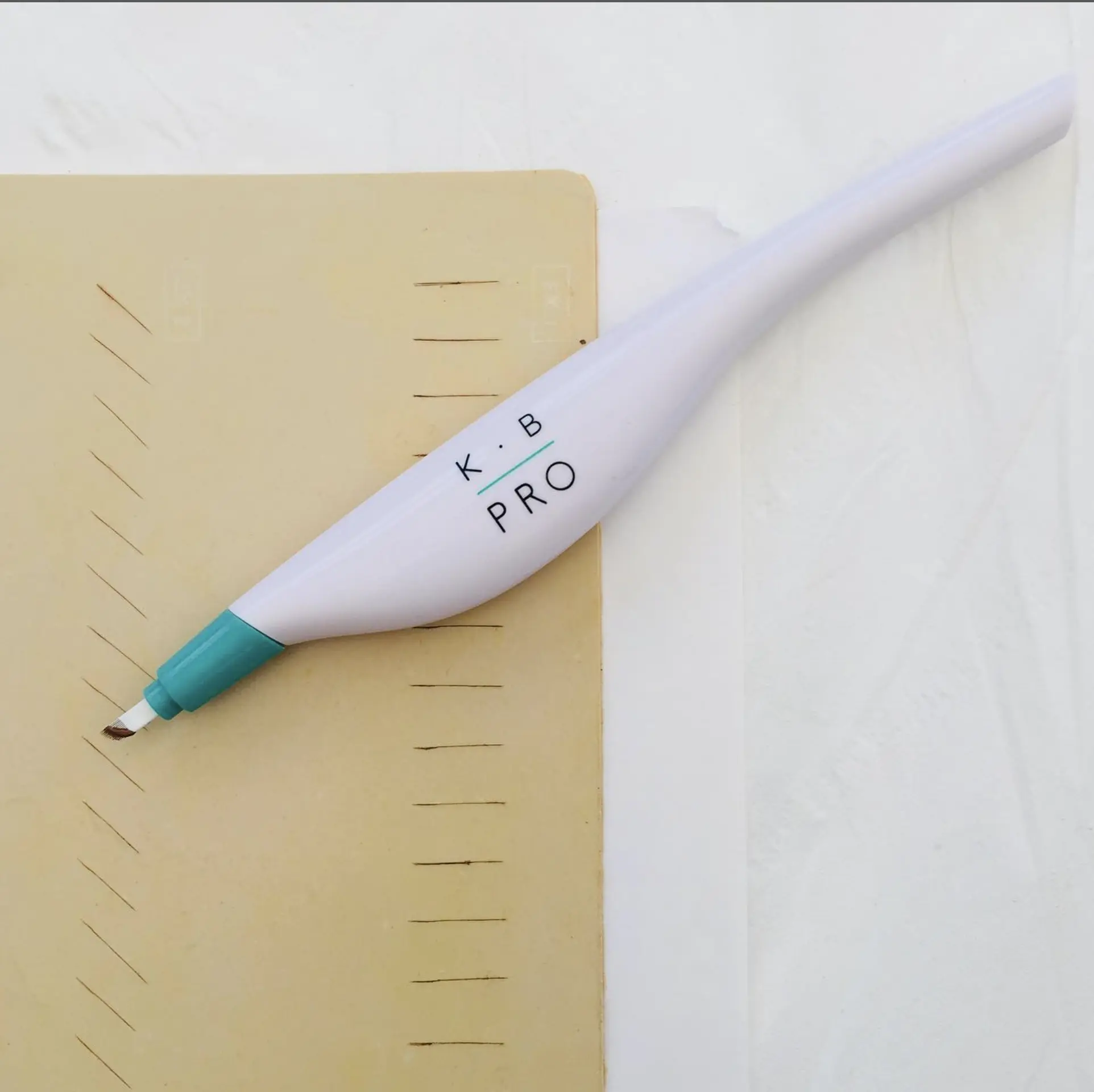
Microblading is a form of cosmetic tattooing and permanent makeup, but unlike traditional tattoos, it uses a needle-like blade or hand tool to place microblading pigments into the upper dermis. Because pigments don’t go as deep, your microblading eyebrows will fade. This fading allows you to adjust brow shape, pigment type and even style trends over time. If it were truly permanent, you’d be stuck with the same brows forever — and no one wants blocky brows from 10 years ago locked onto their face.
Average Longevity: What to Expect
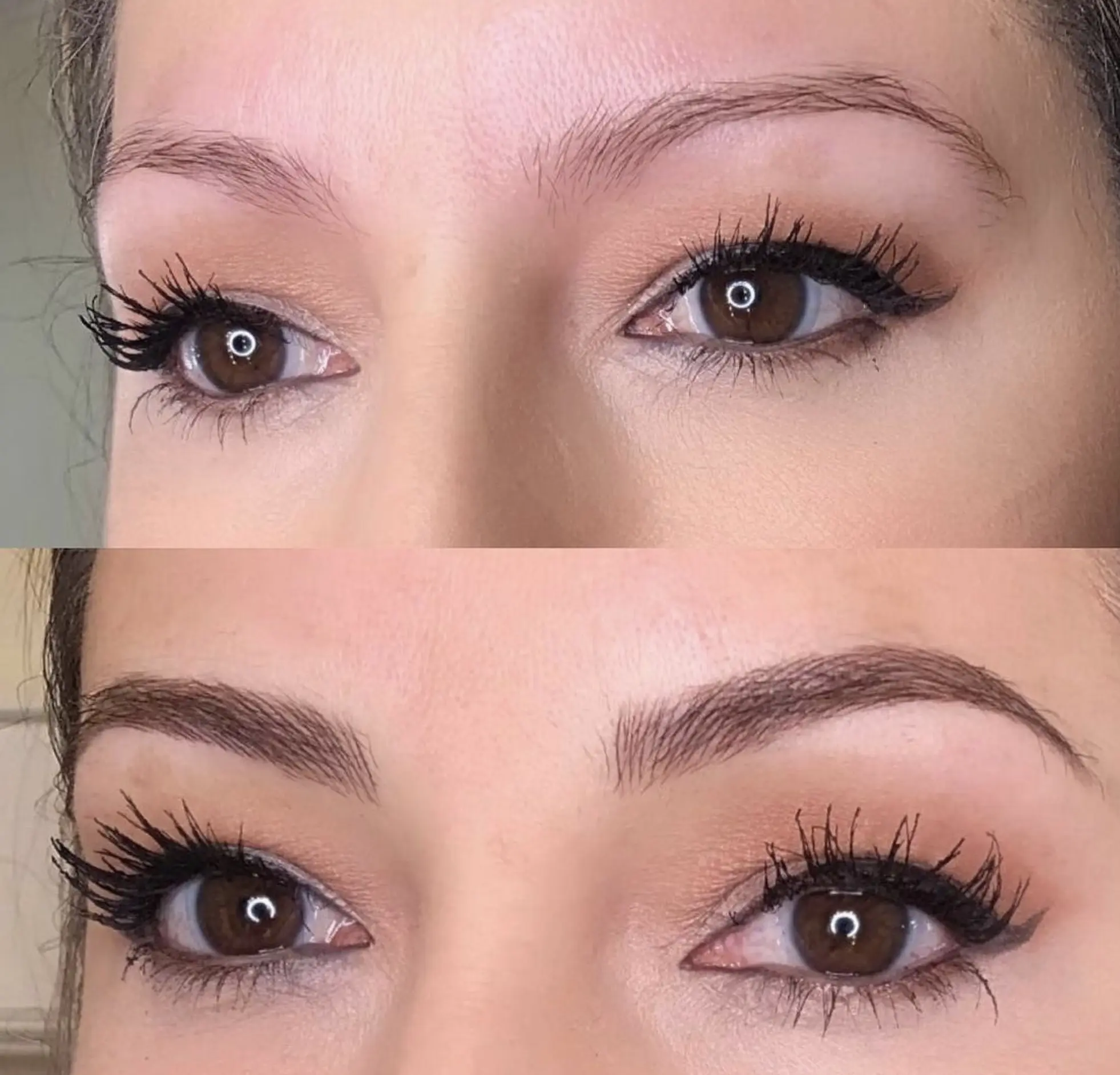
Most clients can expect results to last between 12 to 30 months before a colour refresh is needed. Your skin type, lifestyle habits and healing process all affect retention. For example, oily skin will fade quicker and slightly blur, while dry skin will hold pigment longer. Even the sun in Melbourne’s summer will play a role.
| Skin Type | Average Longevity | Notes |
| Dry/Normal Skin | 18–30 months | Crisp strokes last longer, with stronger pigment retention |
| Combination Skin | 12–24 months | Some softening of strokes over time |
| Oily Skin | 9–18 months | Pigment may blur or fade faster, and more touch-ups may be needed |
Why Skin Type Matters
Every microblading session is skin condition-dependent. Clients with dry skin and consistent skincare routines get brows that last up to 2.5 years. Those with oily skin, frequent sweating or who use active skincare like chemical peels and vitamin E creams will see faster fading. Scarred or compromised areas with scar tissue also hold pigment differently, so the skill of the microblading artist is crucial.
Touch-Ups: The Key to Long-Lasting Brows
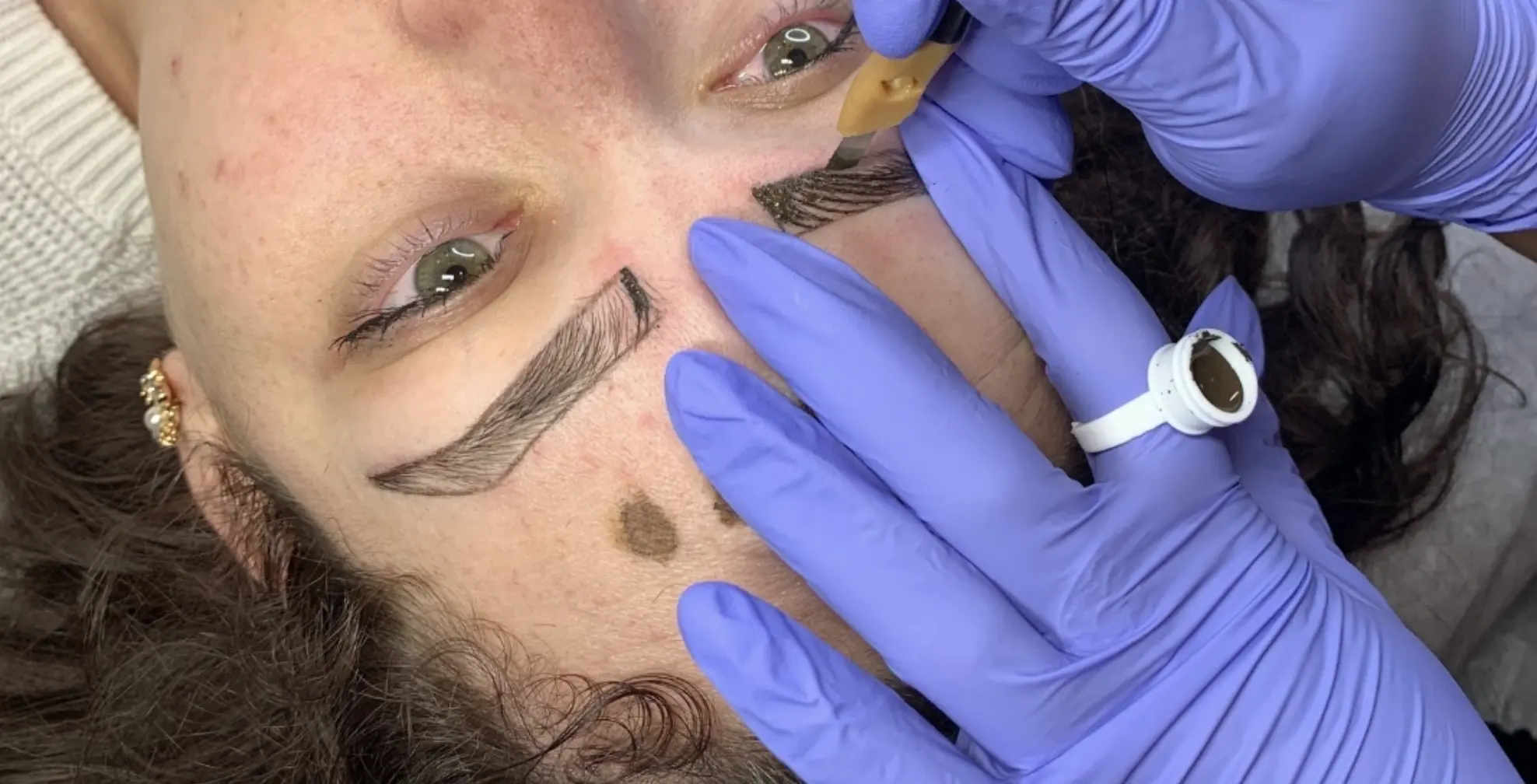
Your first eyebrow microblading session is only half the journey. The mandatory touch-up 6–8 weeks later refines brow shape, fills lighter spots and balances colour retention after the initial healing stage. Future refreshes every 12–24 months are needed to maintain results. Think of it like brow tinting or brow powder, only with longer-lasting results. The maintenance is minimal compared to daily makeup products like pencils and gels.
How Lifestyle Affects Microblading Longevity
You fade faster if you’re in the sun, in the pool or in the ocean. Avid swimmers at St Kilda Beach or gym-goers who sweat heavily need to get touch-ups earlier. Clients who don’t over-exfoliate, wear SPF, and don’t overdo cosmetic procedures like chemical peels get longer results. Many clients who search for microblading near me are surprised to find out how much lifestyle can affect retention.
Pigment Quality and Studio Standards
The pigment and tools matter as much as the technique. At Cosmetic Tattoo Studio Melbourne Face Figurati, I only use medical-grade pigments that minimise colour shifts and fade naturally. I also do a patch test for allergy concerns. High-quality microblading tools ensure precise strokes that mimic natural eyebrow hair. Lower-grade pigments may last longer, but often heal with grey or orange undertones — a big no-no in professional eyebrow enhancement.
The Healing Process and What to Expect
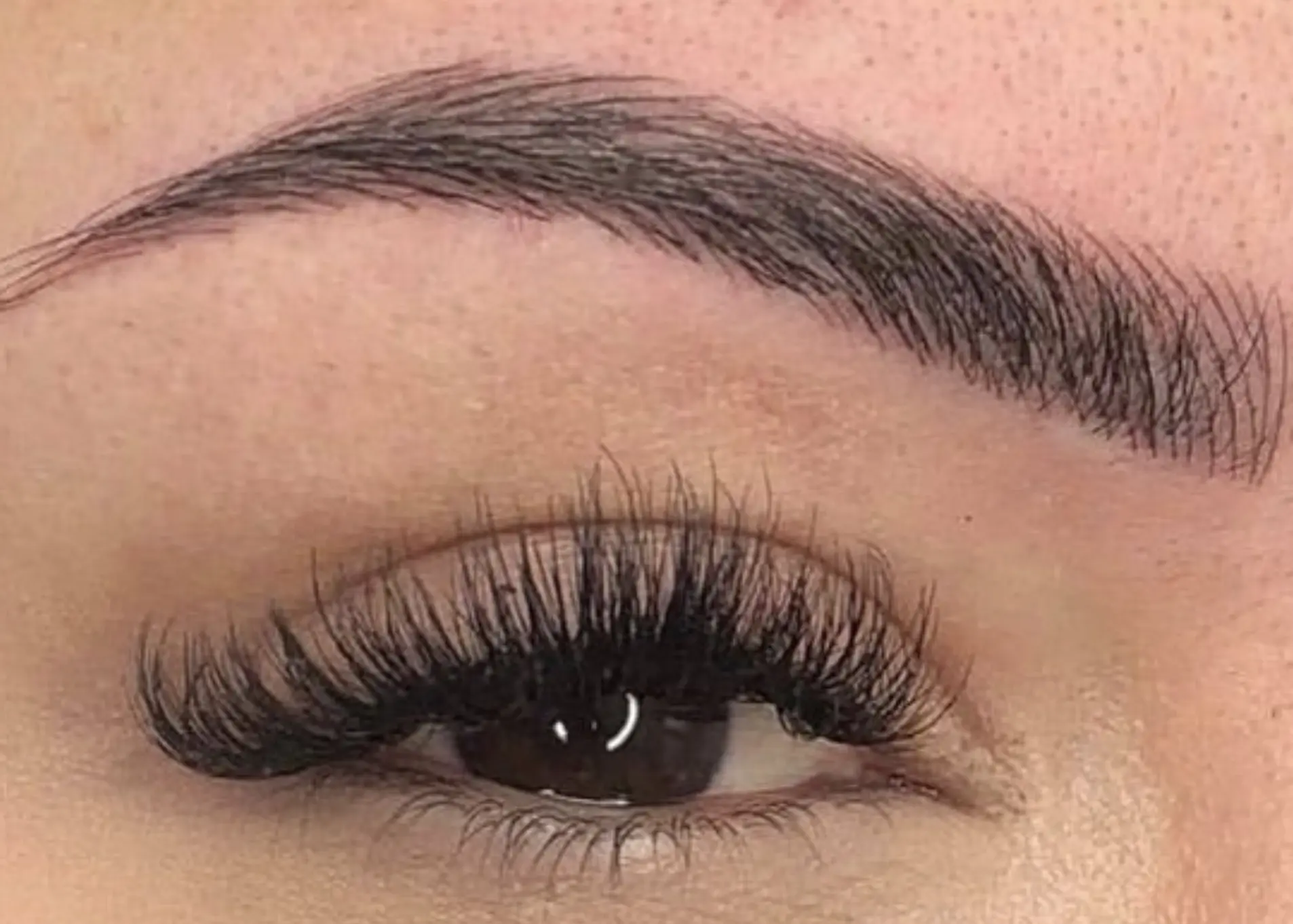
Your healing process has a direct impact on pigment retention. Here’s the typical healing time breakdown:
- Days 1–3: Brows look darker than expected as pigments settle.
- Days 4–7: Flaking begins — don’t pick at scabs.
- Days 8–14: Brows may look faded as skin regenerates.
- Weeks 4–6: Final results emerge, showing natural healed strokes.
Not following aftercare — like not wearing SPF, exfoliating or applying heavy makeup products too soon — can shorten pigment life. Long-term gentle skincare will extend the life of your brows.
Trends vs Timeless: Why Longevity Matters
Because trends change, the semi-permanent nature of microblading is an advantage. Many clients prefer cosmetic tattooing to fade softly so they can adjust as their facial structure, age, and style evolve. It means your brow stylist or brow technician can refine your brow enhancement to suit new looks without being stuck with old designs.
Real Melbourne Client Stories
I’ve had clients with 2 1/2 years of retention due to dry skin and sun protection, others with oily skin and outdoor heavy lifestyles need a yearly refresh, and one client with scar damage on her brow needed careful pigment placement to blend with her natural eyebrow hair. Each case shows how important it is to consider skin type, lifestyle and technique when choosing microblading.
Microblading Stats
Industry reports 2025 show microblading is one of the most popular cosmetic procedures in the world. 70% of clients book in for a refresh within 12–18 months, 20% go beyond 2 years. In Melbourne, my clients are in line with these numbers. Proper pigment selection, quality microblading tools and disciplined aftercare are what make the difference.
Price
Yes, you will need to refresh, but spread over 2 years, the investment is still lower than buying makeup products and booking monthly brow tinting. With microblading, you’re also saving time in the morning.
Final Thoughts: Should You Book?
So, how long does microblading last? Honestly, 1–3 years depending on skin type, lifestyle and aftercare. Done properly by a qualified microblader with safe microblading pigments, the long-term results are natural-looking, safe and adjustable. At Cosmetic Tattoo Studio Melbourne Face Figurati, I personalise every brow microblading treatment, whether you want soft feather strokes or full brow tattooing.
Still unsure? Book a consult with me — we’ll go through your skin type, healing expectations and goals so you know what to expect.
Written by Olha Po — Certified Cosmetic Tattoo Artist, founder of Cosmetic Tattoo Studio Melbourne Face Figurati
FAQ
Can microblading be permanent?
No. Because pigments sit on the surface, fading is inevitable. This allows for safe updates over time.
How soon can I book a top-up after my first microblading treatment?
Most clients return between 12–18 months. Don’t book within 6 months of your last treatment.
Why did my microblading eyebrows fade unevenly?
Different skin types, healing habits or even pressure on one side of your face while sleeping can cause uneven fading. Touch-ups fix this.
Do skincare routines or cosmetic procedures affect pigment?
Yes. Chemical peels, retinols, acids and exfoliation accelerate fading. Even daily SPF or vitamin E products affect retention.
Is repeat cosmetic tattooing safe?
Yes. When done by a qualified brow stylist or brow technician with sterile microblading tools and medical-grade pigments, repeat treatments are safe and maintain results.