
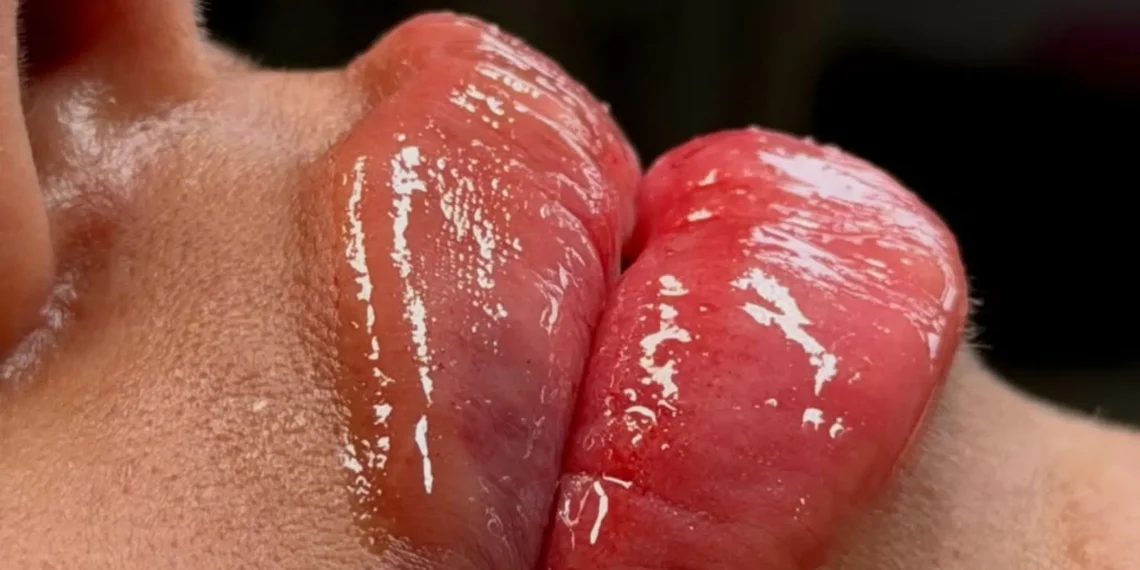
Safety Guidelines For Cosmetic Lip Procedures Australia
To put it plainly, if you are contemplating a lip tattoo or filler in Australia in this country, the way to do it safely is with an in person consultation, informed consent and treatment at the hands of someone who has the qualifications for it. Look for a clinic with firm infection control and one that will not be caught short should a complication arise. Should a provider make light of any of those fundamentals, I would call it a red flag of the first order rather than some minor oversight.
I am Riley Pearson. This guide is intended for those of you doing your homework before making a booking, or who want to get to grips with the prevailing rules here in Australia. Beauty advice can be a slippery thing so I will confine myself to the realities of the situation: who is fit to do what, what most people do not think to enquire about, and how to tell when a place is rough as guts before your lips have to suffer for it.
Contents
- 1 What You Will Find In This Guide
- 2 The Regulators
- 3 And Who Is Qualified?
- 4 The Consult
- 5 The Clinical Environment
- 6 On the subject of lip filler
- 7 Tattoo-Specific Matters
- 8 Half the Job is Aftercare
- 9 Spotting Trouble
- 10 And as for the advertising of some cosmetic clinics
- 11 Minors and ethics
- 12 A safety checklist
- 13 Riley’s view
- 14 FAQ
What You Will Find In This Guide
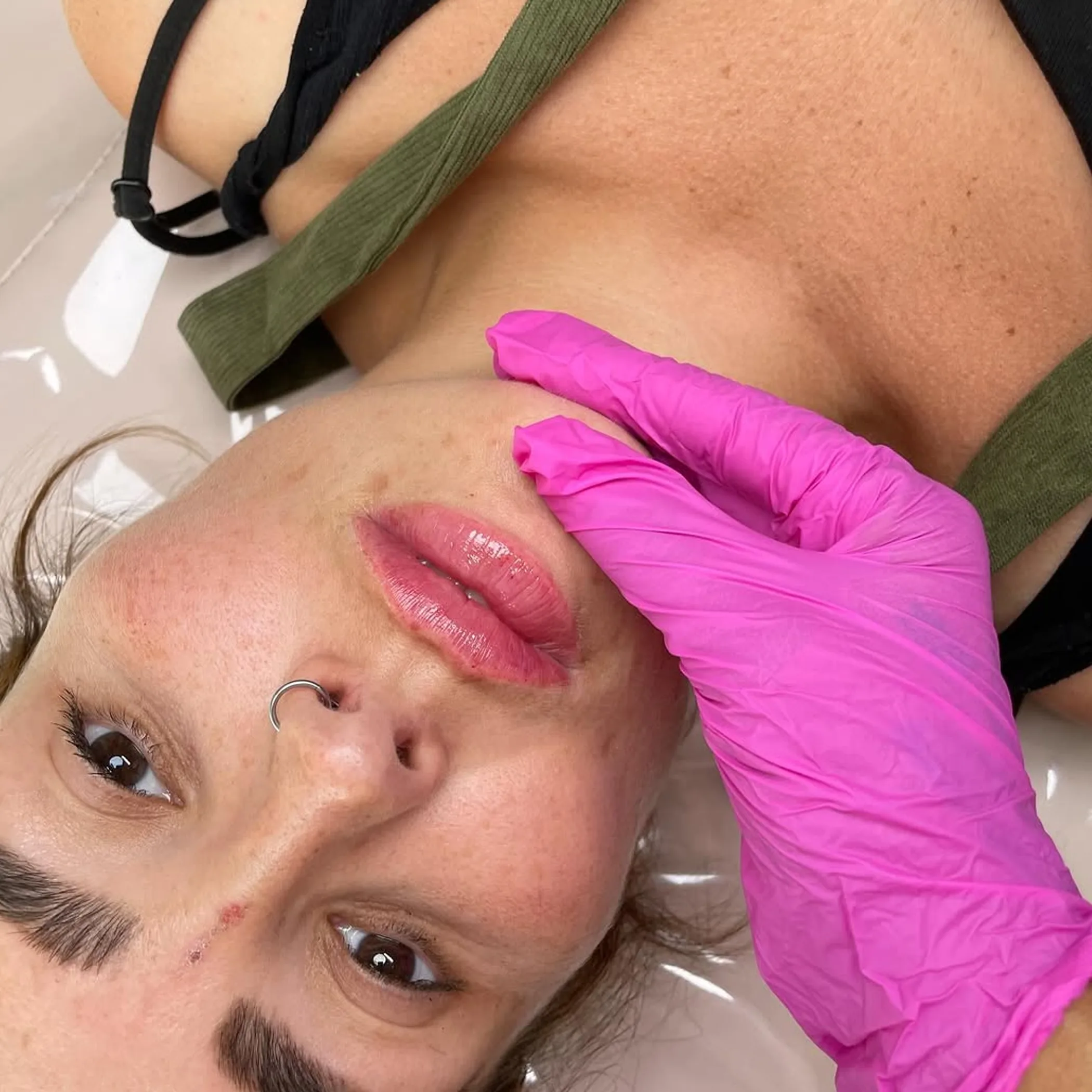
There is an awkward confluence of body image, advertising, health care and beauty when it comes to lip procedures. A “before and after” reel does not begin to tell you whether it is safe.
One muddles the issue by not appreciating that different procedures carry a different risk profile and require different credentials. In Australia, a question over lip filler safety will have you looking at cosmetic injectables regulations; with a lip tattoo the onus is more on practitioner training standards and public health rules from the state or local council.
The Regulators
You could be forgiven for thinking the regulator alphabet is as crowded as a sardine tin yet they all have their own remit. An understanding of who is responsible for what, much like understanding lip tattoo duration, will tell you in no uncertain terms if a clinic is compliant or just putting on a good show on the internet.
When it comes to national standards for cosmetic work, there is AHPRA (the Australian Health Practitioner Regulation Agency), the Medical and Dental Boards of Australia, the TGA, the ACSQHC and RACGP to name a few. I would put AHPRA’s cosmetic procedures guidance at the top of the list for an official starting point.
A Word On Recent Directives
The guidelines from AHPRA are quite clear on the need for psychological screening where called for, patient safety, suitability and consent, and they frown on advertising that is anything but responsible. The message is that these are not to be hawked like a tinnie on special.
Both the Medical and Dental Boards of Australia are of the opinion that a practitioner should know his scope, put risks across properly and have complications under control. As far as cosmetic injectables are concerned, a registered health practitioner ought not to be treating lips as an afterthought between a phone call and lunch.
Product Oversight From The TGA
Many of the products you see in a cosmetic setting are therapeutic goods and fall under the TGA. With lip filler, in particular hyaluronic acid, the agency will have oversight of the product.
Do not make the mistake of equating an approved product with a skilled hand. They are two different things. No amount of compliance on the part of the product will make up for poor technique or a clinic without an emergency protocol.
And Who Is Qualified?
Injectables and lip tattooing may be in the same vicinity but legally and clinically they are not the same. A lot of confusion is made of “cosmetic lips”.
Bear in mind that a lip tattoo is in the realm of body art or permanent makeup and calls for stringent hygiene and training. A lip filler demands a registered health practitioner operating within professional and lawful parameters.
Lip augmentation is a medical procedure. Whether it is the prescriber or the injector, the model of care has to be up to legal and professional code. So it is only sensible to ask about supervision and emergency readiness. Make sure the person who has looked at your medical history is a registered health practitioner and find out what type of registration he holds. If it is all done via DM and a request for a deposit then I would not be inclined to go ahead.
Permanent Makeup and Lip Tattoo
Do not put lip tattoo in the same category as filler; though it is marketed as permanent makeup, its risk profile and what it does are quite different. The onus is on a cosmetic tattooist to have the right training, to keep proper pigment records, observe hygiene, give thought to any sensitivity issues and put in place aftercare of their own making, not some generic copy from a brow sheet.
One has to be diligent with aftercare or healing will go off the rails quicker than anticipated in Brisbane’s humidity. I have been penning my own aftercare notes for years. All too often a client would misplace the printed one and then feign astonishment three days down the track when they were at it with healing skin after a swim or a good sweat.
The Consult
Safety commences with a proper consultation, it is not an opening for the sales pitch. At the best clinics you will find they take the time to see if the procedure is warranted. This is also when informed consent for lip filler is most important. It is a matter of spelling out in no uncertain terms the costs, risks, limits and benefits, not merely putting a signature to an iPad.
Screening
A thorough screening should elicit answers on any number of things: allergies, cold sores, medications, prior work done with tattoos or fillers, autoimmune conditions, the possibility of scarring or pigment trouble, whether one is pregnant or nursing, and so forth. A recent illness, dental work, facial infection or acne in the mouth area could mean a change of plans.
Too many make the mistake of wanting to discuss shape and colour before a word has been said about health history. Without that basic screening a pretty outcome is of little consequence.
Time to Decide
There is an element of emotion to cosmetic treatment which is why the cooling-off period is part of the conversation in Australia. The regulators are of the mind that patients ought to be given room to weigh up the risks instead of being cajoled into having it done the day of a high-pressure consult.
Any “today only” talk or use of countdowns and prizes to manufacture urgency is a red flag. One is not signing up for roadside chips on a family outing, one is giving consent for a procedure on the face.
| Procedure | Who Should Assess Or Perform | Main Safety Checks | Common Risks |
| Lip Filler | Registered health practitioner within scope | Face-to-face consultation, medical history, product discussion, complication plan | Bruising, swelling, asymmetry, infection, vascular occlusion |
| Lip Tattoo | Trained cosmetic tattoo practitioner with hygiene compliance | Skin assessment, pigment records, sterile set-up, aftercare explanation | Infection, poor colour retention, allergic or inflammatory reactions, uneven healing |
The Clinical Environment
Decor is beside the point. You can have boucle chairs and a lemon water station but if the clinic cannot account for its cleaning systems without stammering, infection control is lacking. A protocol is more than “we wipe things down”.
Infection Control
Infection control means hand hygiene, safe disposal of sharps, single-use items where called for and the like. Do not assume a home studio is unsafe and a medical room safe; what counts is that standards are adhered to and put on record.
Record Keeping
It may seem like admin but good records are essential for a practitioner to know what was used and where and when it was opened. Should there be a delayed reaction or swelling later on, having clear notes simplifies matters. From what I have seen, the clinics that are in order on paper tend to handle it better when things go pear-shaped.
On the subject of lip filler
Social media makes it appear straightforward but it is the anatomy and risk management that is not shown. Lips are vascular and mobile and will swell, so planning is required. While hyaluronic acid dermal filler is the norm in Australia and can be dissolved, do not think of it as low-stakes; complications can be of a serious and time-sensitive nature.
You are looking at short-term risks of tenderness, bruising and some unevenness. But there are more serious problems to consider such as lumps, migration, herpes flare, an allergic-type response or vascular occlusion.
There are complications to be aware of before one undergoes treatment, and vascular occlusion is the one to put at the top of the list. A compromise in blood flow can put tissue viability at risk. Any clinic that does lip filler ought to have an urgent response protocol in place, means of emergency management and personnel on hand to spot the early warning signs: severe pain, blanching or mottling, a colour change out of the ordinary.
Expectation Versus Reality
The expectation is for a little lunch-hour tweaking. The reality is that swelling will alter your appearance for days and bruising has a way of outlasting your hopes; what you consider “natural” is still a matter of anatomy and product and how much restraint is shown.
I put it down to people making the assumption they will be camera-ready in 24 hours when they book ahead of a wedding or a job interview or a long weekend. It may work for some. For others it means you are left with an ice pack on your top lip and dinner plans in tatters. Allow for buffer time.
Tattoo-Specific Matters
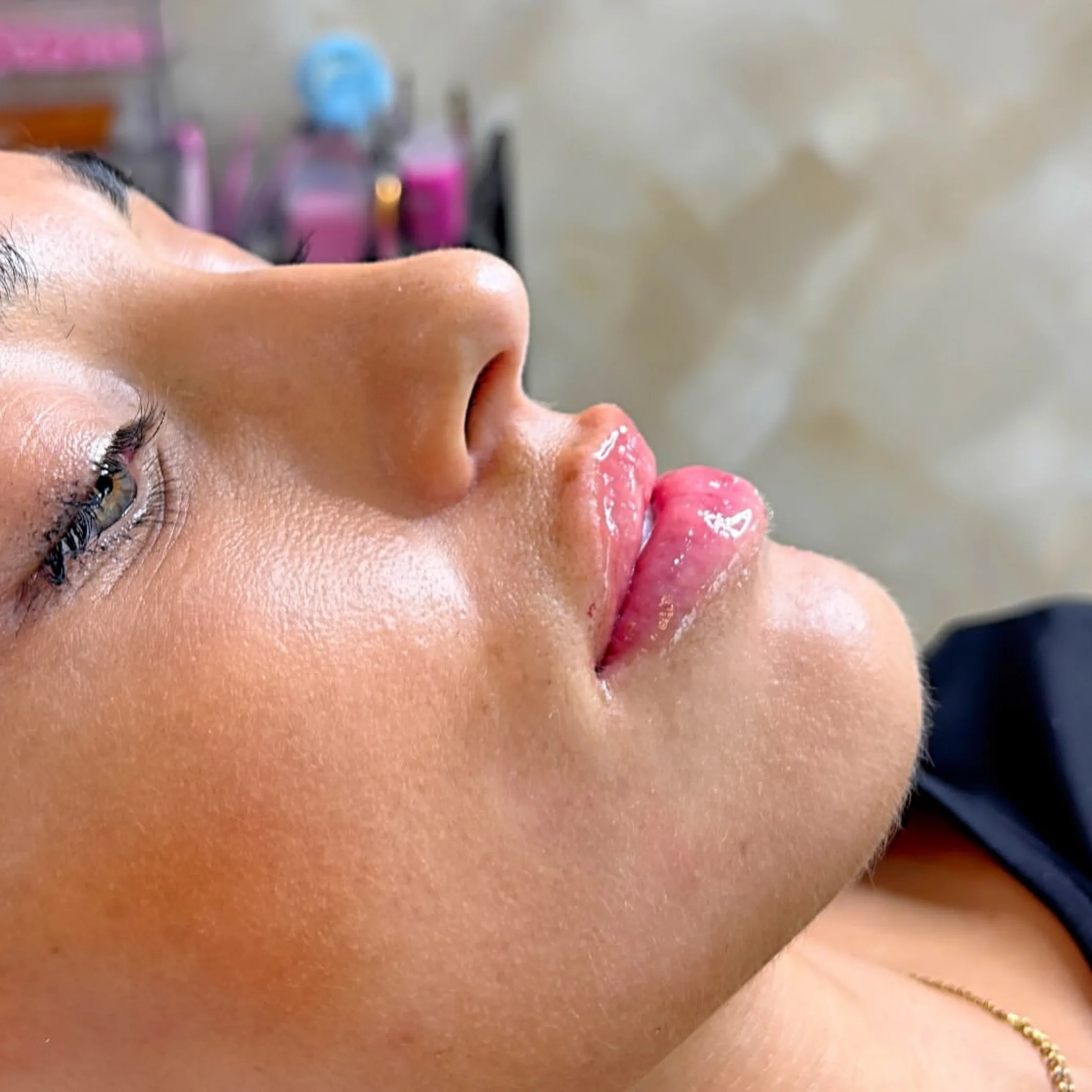
In Australia there are safety concerns with lip tattoos that do not apply to injectables and this is something to bear in mind in comparing operators. A tattoo will give you good shape and tone but the healing is fussy and the outcome is not as straightforward as a filtered before-and-after grid.
As for those looking into how long a lip tattoo lasts, understand that permanent is not synonymous with unchanging. Tones can heal in an unexpected way and the colour will soften, so touch-ups are part of the long game.
Surprises in Healing and Pigment
What comes off the needle on a fresh lip tattoo tends to be deeper, brighter or more pronounced than once healed. And then there is the awkward middle ground of flaking, dryness and uneven patches where one is tempted to panic. People get caught by that.
Your immune system, the condition of your skin, sun and aftercare will all have an effect. In warm weather sweat and friction are an annoyance, hence my advice to Brisbane clients to forego a lip tattoo if a beachy weekend on the Sunshine Coast is imminent.
When to Put Off Treatment
An active cold sore, mouth infection, broken skin, a rash of no explanation, recent trauma to the lips or illness are all reasons a practitioner will put you off. It is inconvenient perhaps but safer to be realistic about the body than to think it is as predictable as a flat pancake.
A history of recurrent herpes simplex calls for a word on prevention prior to a lip tattoo or filler since the procedure is liable to provoke a flare. Rushed consults have a habit of overlooking such details.
Half the Job is Aftercare
Do not mistake aftercare instructions for something decorative. They are integral to the treatment and lack of follow-through is what leaves a client stressed or disappointed. Your practitioner should make clear what to expect and when the clinic needs to be contacted in an urgency. If the sheet you are given is open to interpretation, ask for something better. Practical recovery also includes knowing which foods to avoid after a lip tattoo during the initial healing period.
Adhere to the written instructions from the clinic on hygiene and activity limits.
Some tenderness and swelling is to be expected, but any severe pain, pus, fever, rapidly worsening swelling, spreading redness or unusual colour warrants an immediate report.
Do not pick at it or subject the area to friction. And keep a record of the product or pigment used and who did the work.
Spotting Trouble
A good clinic is ready for the messy side of things as well as the procedure. While a complication is not necessarily negligence, a poor response to one can be. You would want to know in advance where you would be referred if matters escalate, or who to ring after hours for an urgent review of symptoms. Vague answers are a problem.
Urgent Review
With a filler, dusky colour, blisters, marked asymmetry, pale or blotchy skin and fever are cause for prompt attention. With a lip tattoo, foul discharge, an expanding rash or anything suggesting systemic illness should be reviewed.
It is a question I would like to see put more often: “Who is at the end of the phone if I am concerned at 8 pm?” Not a concern is an emergency but a patient is entitled to an escalation pathway.
And as for the advertising of some cosmetic clinics
If it is putting on airs of a miracle cure, leave it at that. There is a reason the advertising of cosmetic injectables in Australia is subject to tighter rules. Misleading claims, hard sell on discounts or the kind of before-and-after hype can all be used to put vulnerable people in a position where they are persuaded to have treatment.
AHPRA and the National Boards will not countenance advertising that is manipulative or makes light of risk; it has to be factual. You will not see them allow medical cosmetic procedures to be put on a par with something as unremarkable as getting one’s nails done.
Online misconceptions
It is a mistake to think a well put together Instagram page is an indicator of competence. A good marketing operation can be a cover for anything from poor consultation and shoddy emergency planning to empty promises. Take care with any claim that is too neat or purports to be without risk. Any practitioner worth his salt will tell you there are limits to what a cosmetic procedure can do.
Minors and ethics
Cosmetic treatment has a legal dimension but the ethical one is of equal import, particularly with a young patient who may be under the influence of social pressure and filters, or is simply distressed. The questions of autonomy, body image and suitability, of setting realistic expectations and steering clear of exploitation are paramount. Wanting to have a procedure is no licence for it to be done today.
The matter of consent
With adults, consent must be given freely and with full information and capacity. Minors are a more sensitive case and practitioners have to be mindful of their professional and ethical as well as legal duties. When a provider appears to have more of an eye on making the booking than on gauging motivation or mental readiness, it is sales in a lab coat, not care for the patient.
A safety checklist
Ten minutes before you book is time enough to run through a safety checklist and be uncompromising about it. It is better to have your safety in order up front than to have to put things right after the fact.
Make sure you know who is going to be doing the work and who is assessing you, and that they are a registered health practitioner if that is called for.
Put in for a face-to-face consultation and get the risks, alternatives, costs, aftercare and plan for complications in writing.
See that the clinic has no trouble talking about infection control, record keeping and how to get in touch after hours.
If you are being rushed or put under emotional duress, or feel you are not being told everything, do not book.
Riley’s view
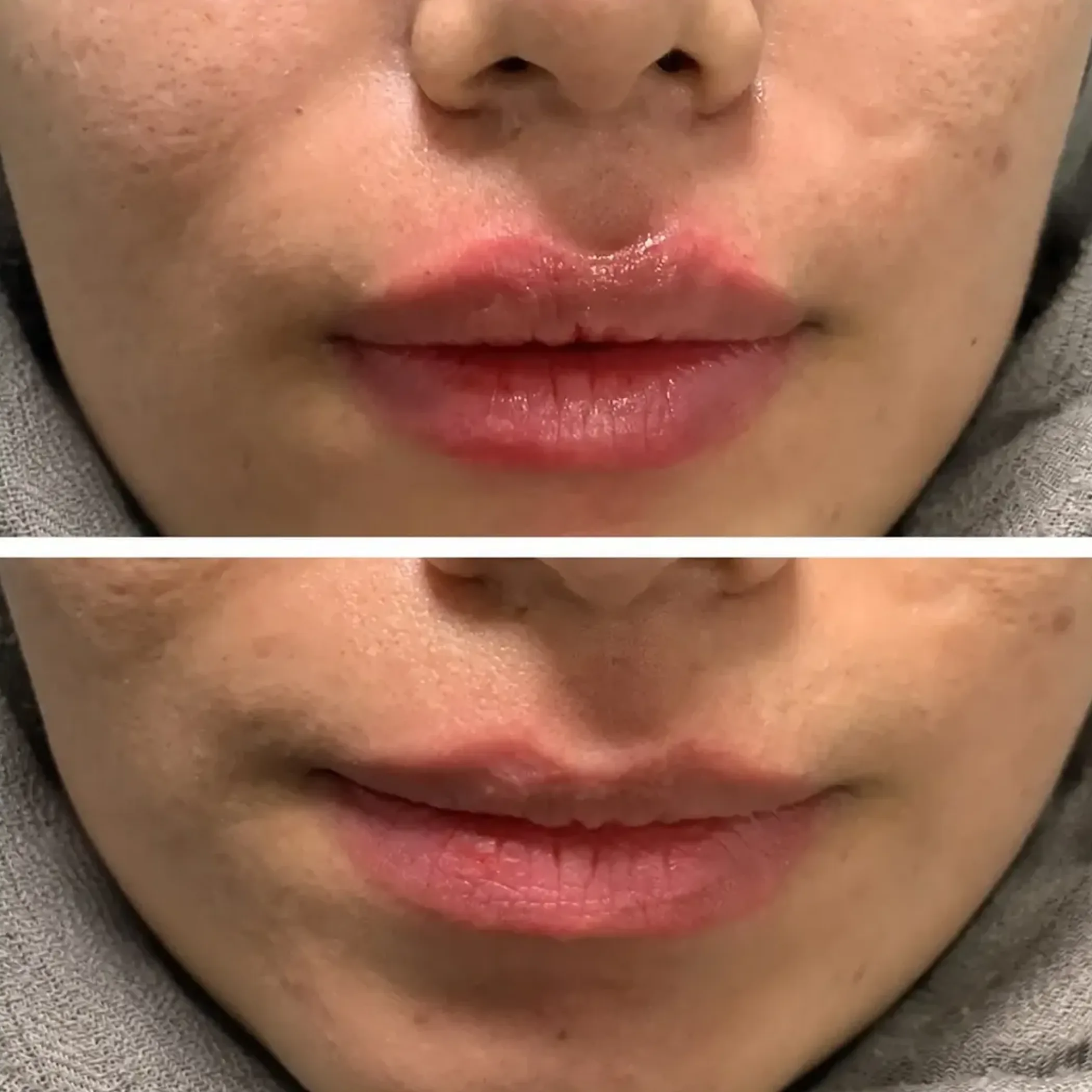
You will not find the safest lip procedure to be the one with the glossiest reel or the lowest price tag. What matters is that it is done in the right setting by the right person for the right reason, with proper consent and a plan should your body prove difficult. That may not have the same appeal as a before-and-after montage but then your face is not a place for someone to wing it and lips are not for practice. Be choosy and put some awkward questions to them, a decent clinic will not be offended.
FAQ
For those who have put in two hours of scrolling and got themselves in a tangle over it, here are the answers in plain terms.
Ahpra’s new guidelines for cosmetic procedures?
They are moving in the direction of less trivialisation of the treatment and sterner standards. The current guidelines from AHPRA are about responsible advertising, psychological screening as needed, appropriate assessment and the management of complications, all in the name of patient safety and informed consent.
And the advertising guidelines?
Advertising is not to be a means of exploiting insecurity or putting on the pressure. There should be no downplaying of risk or use of any tactics that would make a procedure seem to have no consequences. With the regulations for cosmetic injectables in Australia this is of particular note since marketing can sway a vulnerable decision.
What are the cosmetics regulations in Australia?
That is a function of the procedure. Lip filler is overseen by TGA product regulation and the standards of the professional board and health practitioner. With lip tattoo and permanent makeup you have hygiene and public health considerations, infection control and so on, the enforcement of which can differ from state to territory.
Ethics in cosmetic surgery?
Informed consent, ensuring the procedure is in the patient’s interest, no coercion and an assessment of the psychological drivers. These are the chief concerns and they hold true for non-surgical lip work as well.
Which is safer, a lip tattoo or filler?
One is not necessarily safer than the other, they present different kinds of risk. Filler carries the medical risk of vascular occlusion and the like, a tattoo the risk to the skin barrier, pigment and infection. In the end it comes down to the skill of the practitioner and the environment and aftercare.