
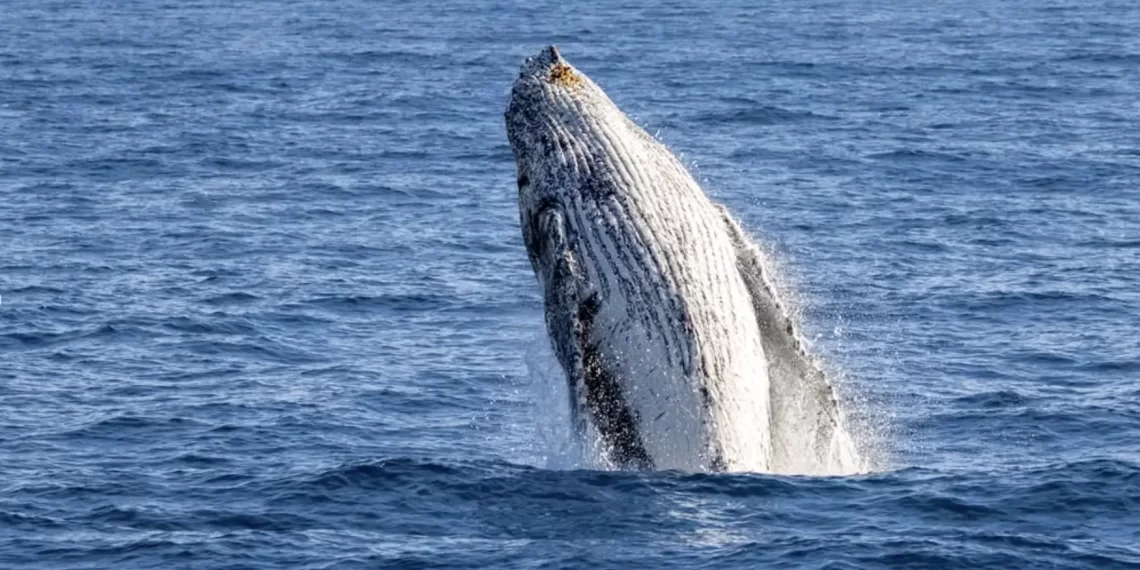
Can You See Whales At Phillip Island?
I’m Paul Beames, and “Can you spot whales at Phillip Island?” is a question I get asked every winter from visitors rolling into town, hoping to catch a glimpse of the Humpback whales and southern right whales splashing in the waters off the Bass Coast. And the good news is – yes, you can see whales here – all sorts of them, including those juvenile humpback whales, the odd mother and calf, and even a rogue Orcinus orca cruising past The Nobbies. Phillip Island turns into a VIP seat to one of the busiest migration routes along the Victorian coastline; all you need is the patience of Job, a decent windbreaker, and a bit of local inside knowledge.
From mid-June to August, Megaptera novaeangliae (humpbacks) and Eubalaena australis (southern rights) push their way through the strait while the Australian Fur Seals hang out around Seal Rocks. I’ll take you on a tour of the best vantage points, how to follow the Bass Coast Whale Discovery Trail, what the Island Whale Festival is all about and how to avoid standing there like a plonker, staring out at nothing for hours.
Contents
When The Island Comes Alive With Migrating Giants
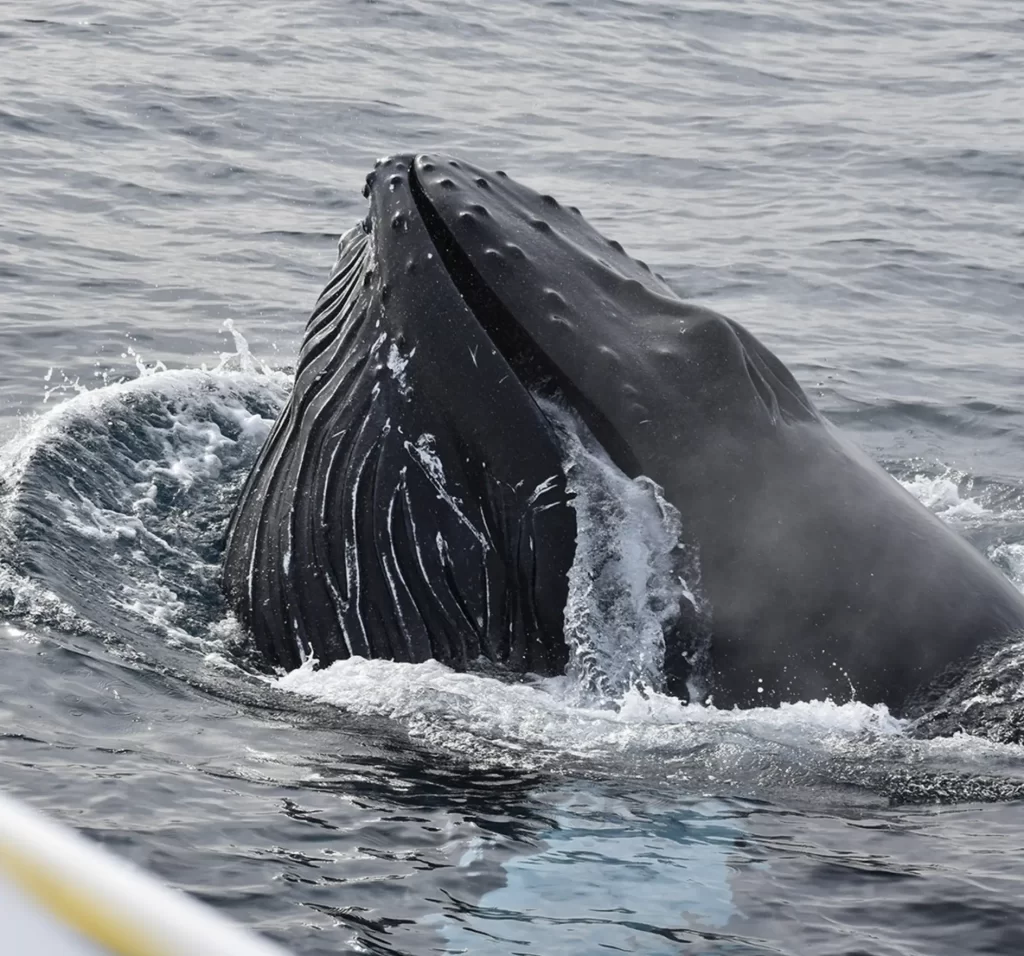
Some seasons deliver whale-spotting opportunities on tap, but others just tease you – but knowing the migration habits helps you get it right a lot more often than not.
Phillip Island is right on a key migration route that sees the Humpback Whale pods heading north in winter and south in spring. I’ve often told guests on Phillip Island tours from Melbourne that the secret is persistence – the whales will put on a show for you if you’re willing to stick around long enough. It’s not exactly like the scenes you’d see at the Penguin Parade – just a quiet bunch of visitors soaking up the coast.
Migration Timing And What To Expect
These stats draw from Victoria’s publicly available coastal sighting records and Parks Victoria notes (valid as of 2025 — whale timings can shift slightly each year).
| Migration Phase | Typical Months | Chance Of Sightings | Notes |
|---|---|---|---|
| Northern Migration | June–July | High | Humpback whales often pass within 500–800 m of Cape Woolamai, The Nobbies, and Pyramid Rock. |
| Mid-Season Pause | Late July–Early August | Moderate | Whales often slow or linger near Bass Coast waters. |
| Southern Migration | September–October | High | Southern right whales come closer to shore; mothers and calves occasionally rest near the Summerlands region. |
| Shoulder Season | May & November | Low–Moderate | Early arrivals or late stragglers appear but are less predictable. |
Some days the Ocean just looks as flat as a dunny door on a day a cyclone is ripping through, and yet, still not a whale in sight, the ocean’s just as empty as a deserted beach. But then, on other days, a breaching whale explodes out of the water like it’s auditioning for the next big wildlife documentary.
Where To Stand For The Best Ocean Encounters
If you decide to give boat tours a miss, Phillip Islands got some top-notch vantage points right along the coast that are free for the taking – and a small-group day tour can string a few of them together for you if you’d rather not plan the route yourself.
Cape Woolamai
Cape Woolamai’s my absolute go-to for whale watching, no question. The views over the strait are just stunning, and the height makes it a piece of cake spotting marine life. You might even see a few Australasian gannets and the occasional Shy Albatross gliding overhead while whales pop up below you. If you’re not driving yourself out there, it’s worth checking how to reach spots like this without your own car before you commit to an early start.
The Nobbies Boardwalk
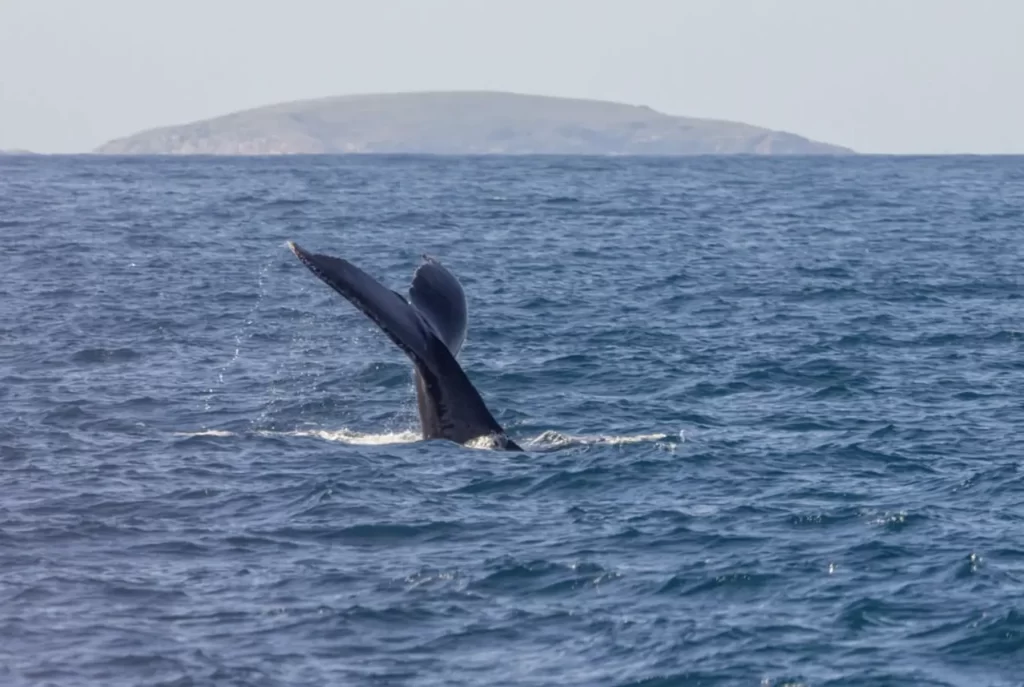
The Nobbies’ got an excellent track record for whale-watching. With Seal Rocks right next door and thousands of fur seals hanging out there, you are looking at a genuine hotspot for marine action. And then there’s the boardwalk, which gives you a great view out over the water – it’s one of the recommended stops on the Whale Discovery Trail if you’re following it.
Pyramid Rock Lookout
Locals swear by this one. It’s a pretty quiet spot, elevated just right, and perfect for spotting whales that are cruising a bit further offshore. Lining up your sightline with the deep-water channel that runs towards Wilson’s Promontory will get you even more out of it. Unsurprisingly, this lookout also turns up on a list of the island’s most photogenic spots, whale or no whale.
Cowes Foreshore
Not the most reliable spot, to be honest, but if you see a whale while you’re – say – eating chips on the beach at YCW or Grossard Point, it’s like you’ve just won the day.
Choosing A Tour For A Closer Look
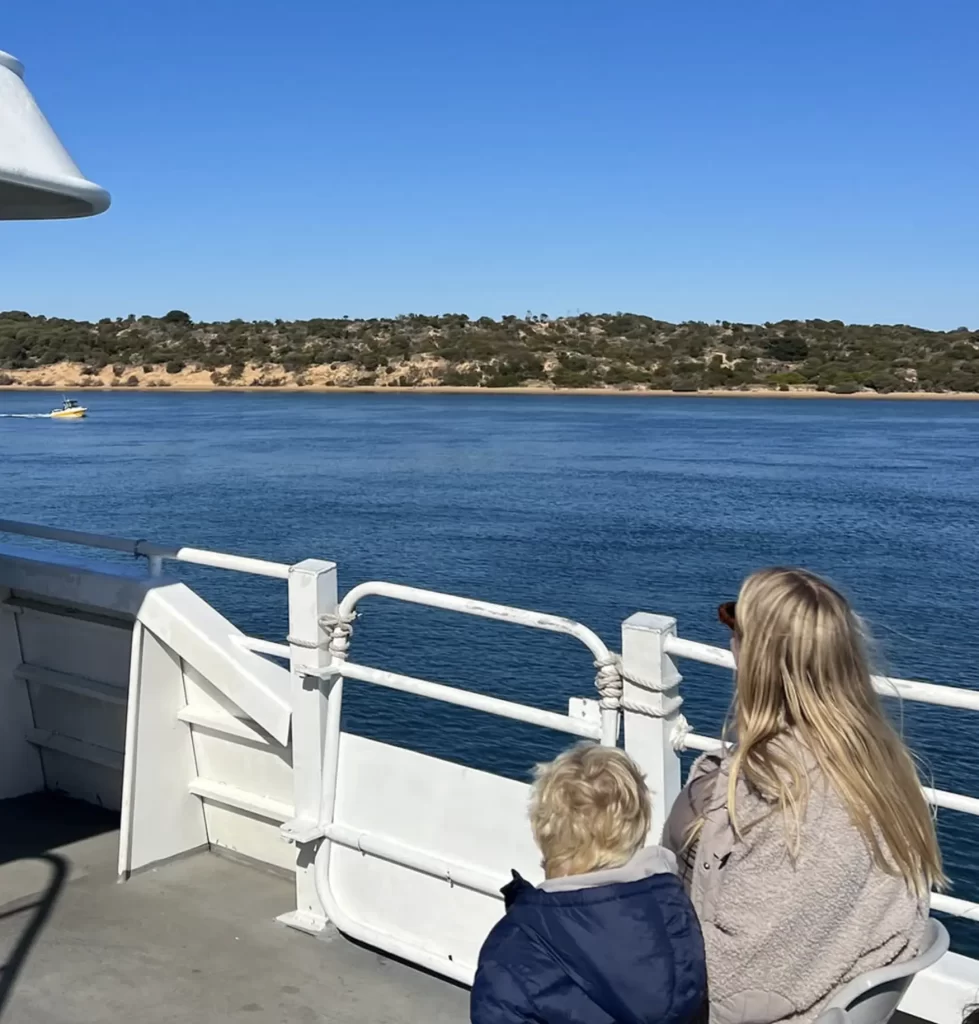
Looking for a whale-watching tour that gets you up close and personal with the action? Phillip Island’s got plenty of options:
- Wildlife Coast Cruises
- Winter Whale Cruises
- Dolphin & Whale Cruises
- Wild Oceans EcoBoat Adventure Tour (it’s the one that’s fast, splashy and great for photography)
- Cape Cruise and Seal Cruise trips
- And on certain departures, the legendary Captain Johnno will be on board with his commentary.
Boat tours are super careful about keeping a safe distance from the wildlife, but when a whale does decide to get up close – that’s just magic. Keep your camera at the ready to capture that surprise breach on video. If a land-based day out suits you better than a boat, a Phillip Island tour covering the main coastal lookouts is worth comparing against the cruise options.
Why You Might Choose A Boat Tour
- You want to get up close and personal with Humpback whales or southern right whales.
- You love hearing the commentary and learning about the marine life
- You want to guarantee some time on the water
- You’re fascinated by the sea life around Seal Rocks
Why Land Might Be Better
- You get motion sickness just thinking about rocking in a boat
- You love scanning the horizon for shadows, blow-spouts, and just generally trying to get a glimpse of what’s happening
- You want the flexibility to move between all the different vantage points
And for a bird’s eye view, Phillip Island Helicopters also offer scenic flights over The Nobbies and the coastal waters – it’s a great way to spot whales from up high.
Local Tricks That Boost Your Chances
Years of guiding travellers have taught me a thing or two that gives you a much better chance of spotting those incredible creatures.
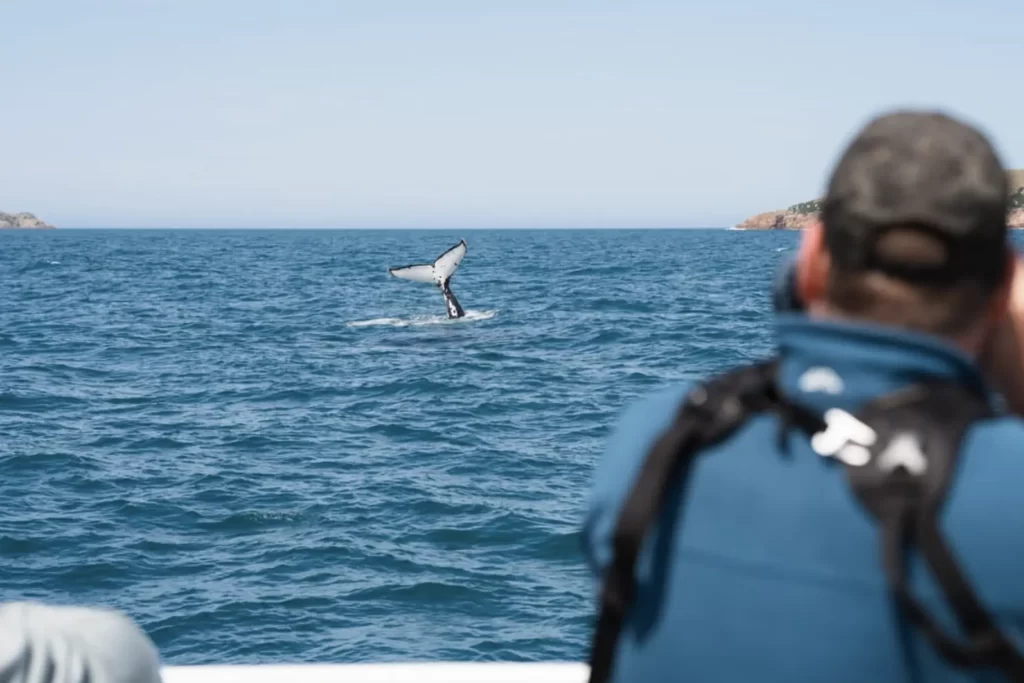
Don’t Miss the Early Birds
The presence of Australasian gannets diving or swooping around is usually a good indicator that something big is happening just below the surface, like whales herding fish towards the surface.
Watch Out For Whale “Footprints”
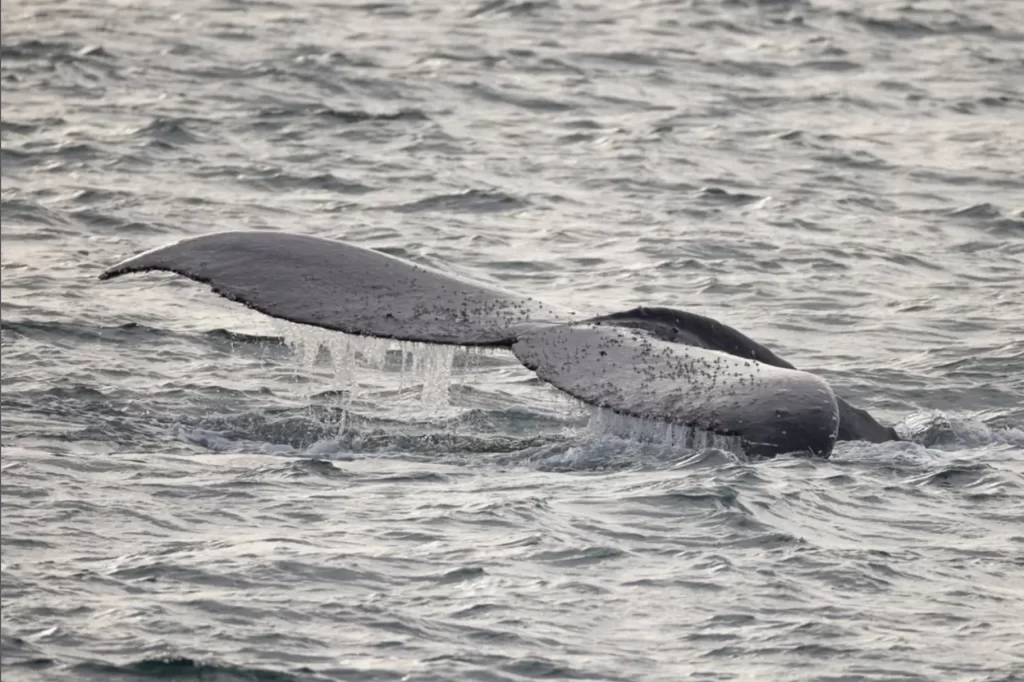
Now and again, you might see smooth patches on the water that are actually the result of a whale’s tail hitting the surface. If you spot those, the chances are you’ll find the whale itself very soon after.
Don’t Underestimate the Wind
Offshore winds blowing in your direction will push the mist from a whale’s blow straight towards you, while onshore winds will just blow it away.
Pack the Right Stuff
- Good binoculars are a must for starters.
- Bring a windproof jacket – it can get pretty chilly out there.
- Your camera should also be set to video mode so you can capture those special moments.
- A thermos for hot drinks is a good idea.
- And don’t forget patience – it’s the most essential tool you can bring along.
Setting the Record Straight
There are a few myths that could do with being debunked
- They don’t follow a set schedule
Even the best whale-watching tours can’t guarantee a breach. - They don’t always swim close to shore
When they do, however, they often stay longer. - The weather can seriously affect your view
A thick fog or a rough swell will make spotting whales very tricky. - No, you may not see a whale at all
Wildlife is unpredictable – but that’s all part of the fun.
Some people even take the hassle out of planning by jumping on a Phillip Island tour from Melbourne to catch the whale migration without having to worry about the logistics. I’ve met plenty of people who’ve been on Wildlife Tours and ended up so hooked on wildlife that they don’t even want to go home. I’ve met plenty of people who’ve been on Wildlife Tours’ Phillip Island trips and ended up so hooked on wildlife that they don’t even want to go home.”
FAQ
When is the best time to see Whales on Phillip Island?
The months of June to July and September to October are usually the best times to come and see Humpback whales and Southern Right whales making their way through Bass Strait.
Where are the best vantage points?
Cape Woolamai, The Nobbies, Pyramid Rock & parts of the Whale Discovery Trail offer some fantastic views of the land-based action.
Are Whale Cruises really worth it?
Absolutely – especially if you can get on one of the good tours – like Wildlife Coast Cruises, Winter Whale Cruises or one of the speedier EcoBoat trips that can get you right up close.
And what else might we see?
Loads of other marine life too – Australian Fur Seals, Dolphins, Shy Albatross, gannets and others can all be seen around Seal Rocks.
Is there a Whale Festival?
Yes – the Island Whale Festival is an annual celebration of the local marine life that takes place here.