
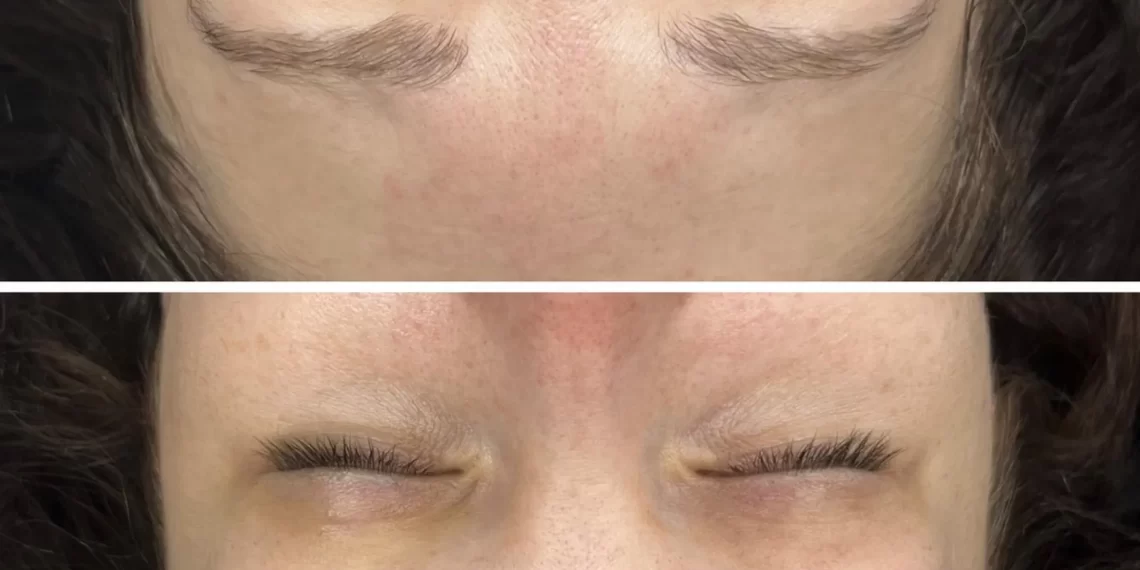
How much does a cosmetic tattoo course cost at TAFE?
Let’s be real — you don’t sign up for a cosmetic tattoo course because you want a hobby. You do it because you’re serious about building a solid career in the beauty industry, mastering specialist skills, and offering brow treatments, eyeliner tattoos or lip blush that actually last and look good. But before you even pick up a tattoo pen, you’re probably asking: how much does a cosmetic tattoo course cost at TAFE? And is it worth the price tag?
Spoiler: the answer depends on your state, your study options, and how deep you want to go with practical training.
In this guide, I’ll break down everything you need to know about the real costs (money, time and energy), what you get in return, and how to figure out if a TAFE course is the right move for you. If you’re based in Queensland, a great place to start your journey is at Cosmetic Tattoo Brisbane Studio Face Figurati — a studio known for offering expert training and professional artistry.
Contents
2025 Costs You Should Know
Prices for cosmetic tattoo training at TAFE vary depending on where you study and what level of training you choose. Here’s a ballpark:
| Course Type | Typical Cost (2025) | Duration | Includes Practical? |
|---|---|---|---|
| Short Course / Statement of Attainment | $1,500 – $3,000 | 1–3 weeks | Some practical (limited) |
| Certificate III in Beauty Services (with tattooing elective) | $4,000 – $8,000 | 6–12 months | Basic hands-on skills |
| Diploma of Beauty Therapy with Tattooing Units | $10,000+ | 12–18 months | Extensive salon time |
| Advanced Tattooing Skill Set / Gap Training | $2,000 – $6,000 | Varies | Intensive hands-on modules |
Heads up: These prices don’t always include your own art equipment, colour pigments, aftercare kits, or extra days of training. Some courses will bundle those in, others won’t. Always read the fine print and check what training manuals or day of theory components are included.
What Are You Actually Paying For?
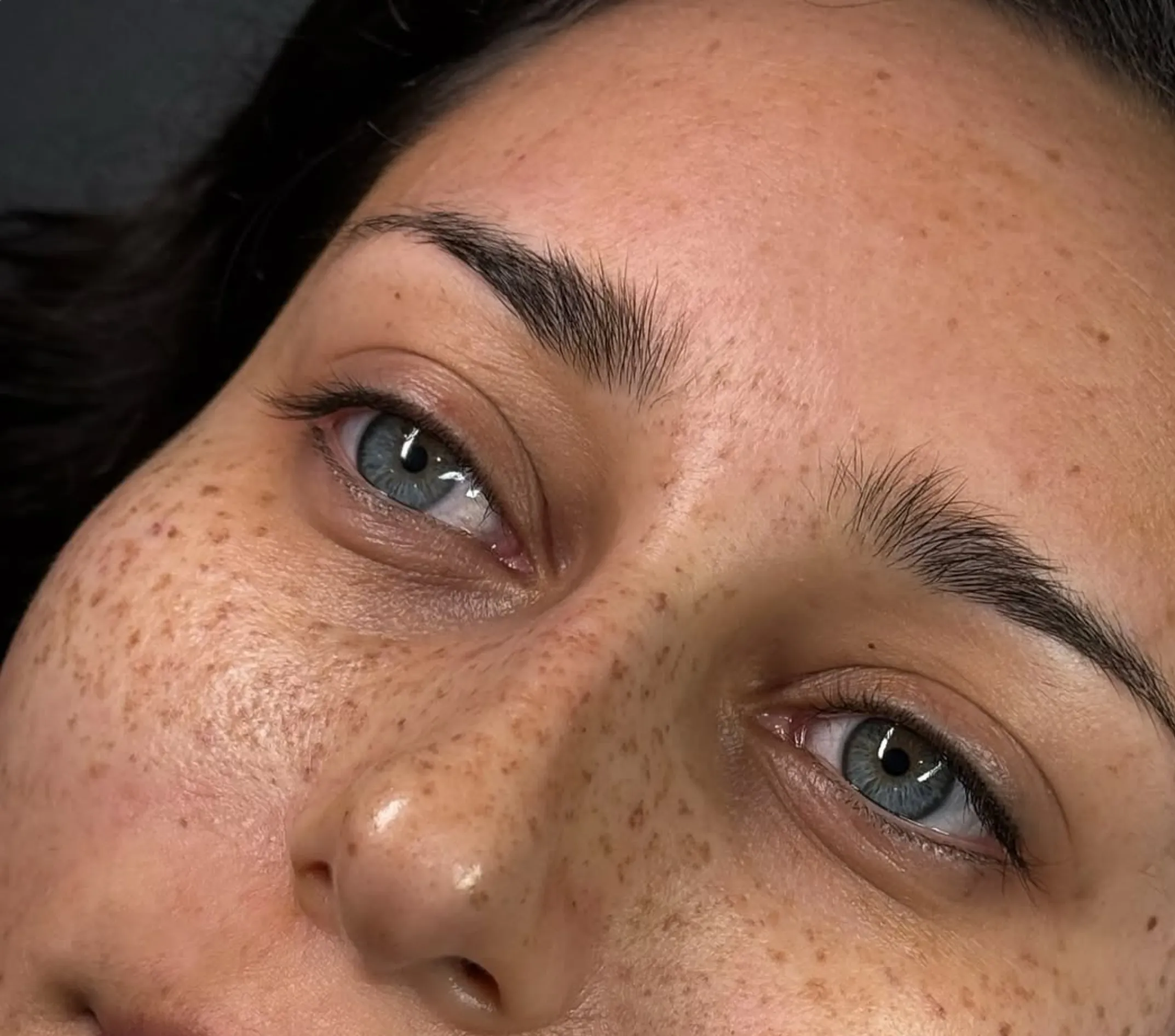
TAFE isn’t cheap, but it’s not just about the certificate. You’re investing in:
- Hands-on training on real clients
- Professional standards around hygiene, infection control, and safety
- Instructors who are qualified beauty therapists or tattoo artists with real industry experience
- Access to commercial salon environments to build your confidence
- Nationally recognised qualifications and clear entry requirements
- Training organisations that are held accountable to government standards
Studios like Face Figurati in Brisbane also offer ongoing mentoring and shadowing opportunities for students looking to specialise in advanced cosmetic tattooing techniques.
And let’s be blunt: in this industry, people are trusting you with their face. They’re not going to hand over their brows, lips or eyes unless you look like you know what you’re doing. Training matters — especially when you’re working time after time on delicate features like the lip line or eye shape.
What Kind of Training Do You Need?
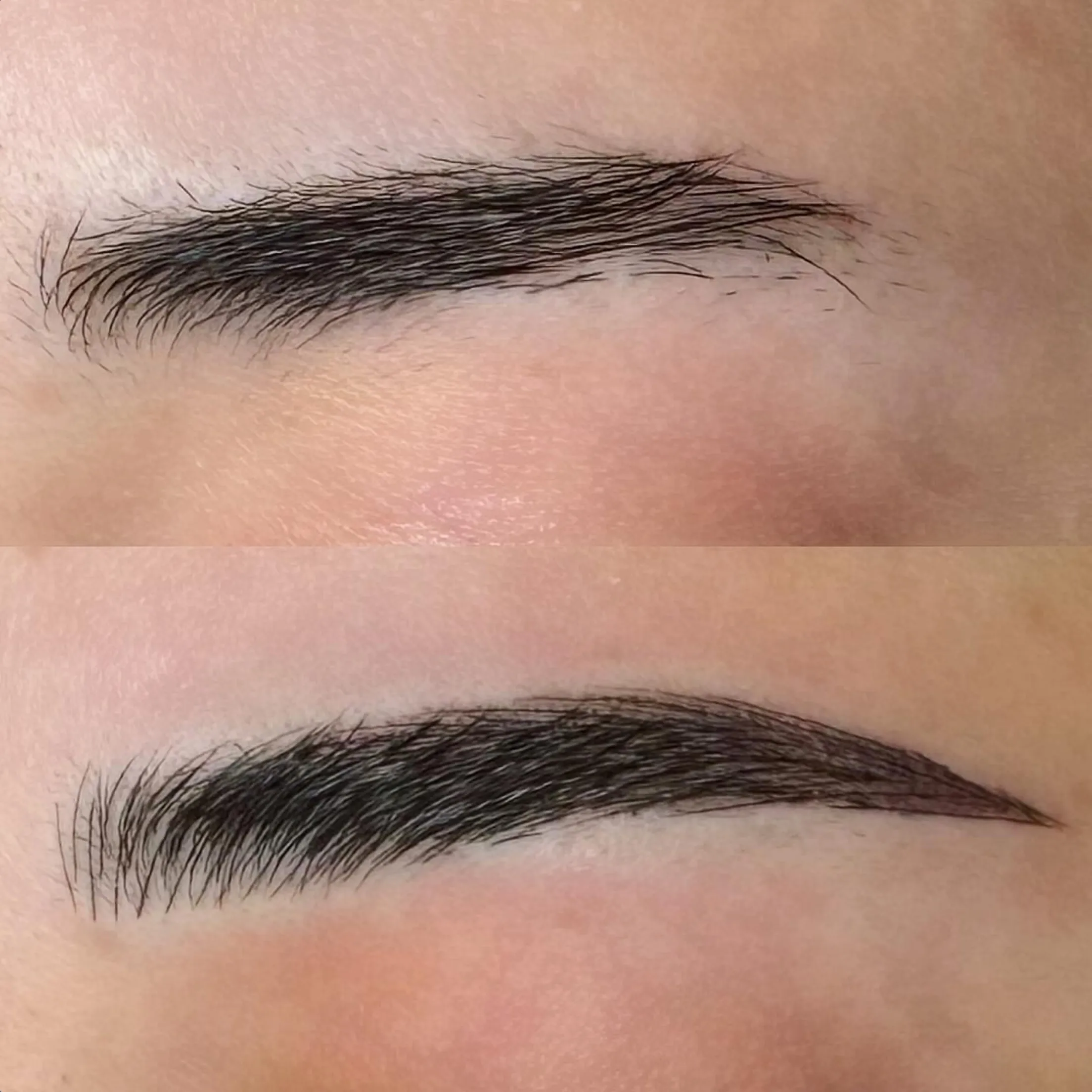
Before you choose the cheapest option and call it a day, think about the kind of cosmetic tattoo artist you want to be. Do you want to be someone who can correct blue brows, work on darker skin tones, and confidently map eye shapes? Or do you want to be someone who only knows how to follow one stencil on fair skin?
Here’s what good training should cover:
- Skin tones and undertones (including darker skin)
- Colour theory and pigment selection
- Infection prevention and post-treatment care advice
- Consultation skills and services to clients
- Brow shaping and mapping for every face
- Tattoo artist skills like machine control, depth, and line work
- Follow-up consultations and touch-up management
- Tattoo of eyebrows, cosmetic tattoo eyeliner, and lip liner tattoo techniques
This is about building your fundamental skills and practical skills so that you don’t just tattoo a brow—you customise a tattoo eyebrow treatment based on the client’s face, age, skin type, lifestyle, and preferences.
Private Study and Realistic Workload
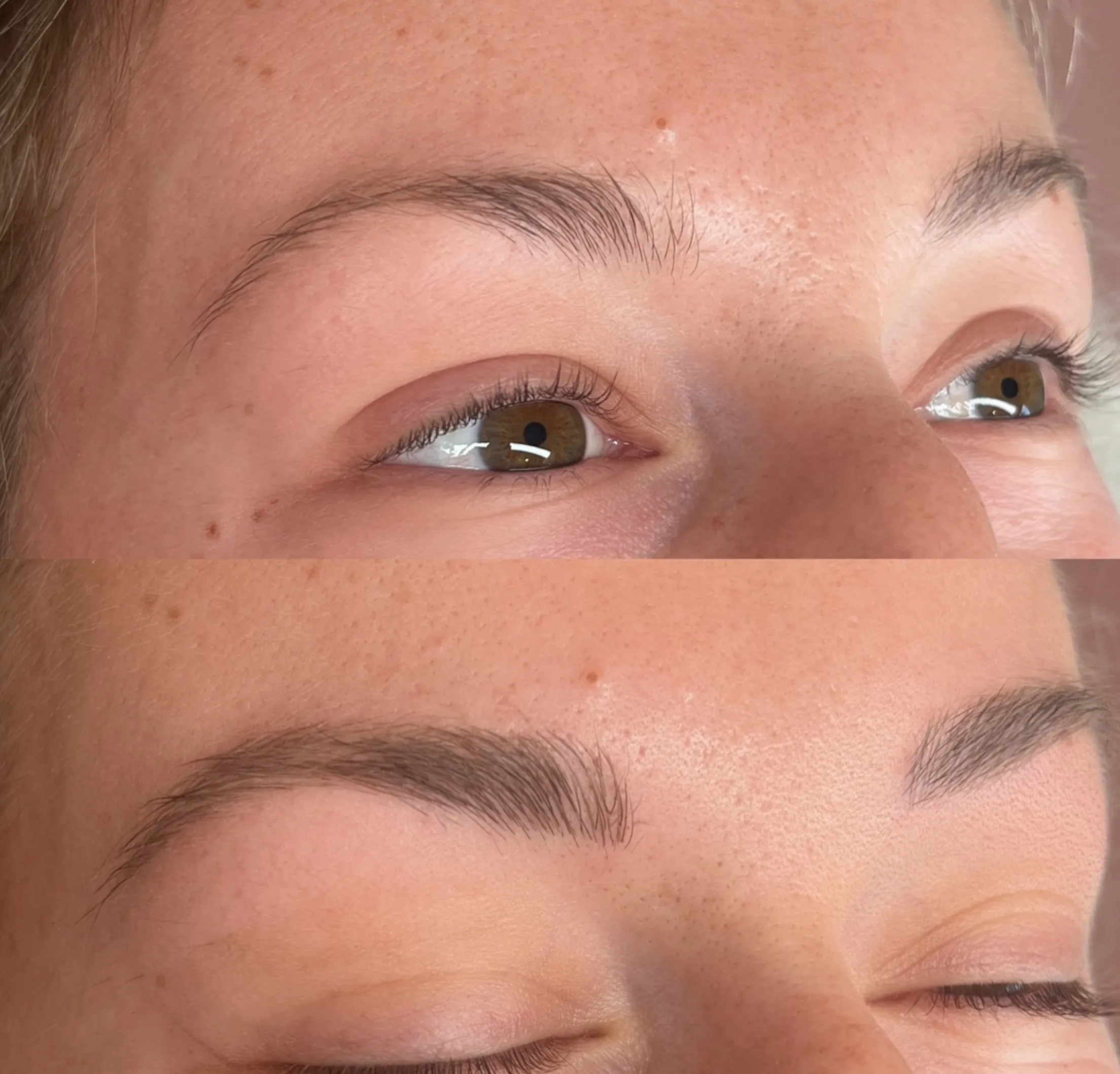
This isn’t a weekend lash lift course. Expect to commit to:
- In-class theory days (covering everything from skin anatomy to regulations)
- Hands-on salon time with real models (not just practice skins)
- Private study and assignment preparation
- Follow-up work like aftercare check-ins, photo documentation, and reflection logs
Depending on your course, you might need 2–4 days per week for class hours and salon time, plus an extra 5–10 hours of home study. It’s a proper mix of hands-on experience, advanced skills, and ongoing student reflection that builds both speed and precision.
Some providers will also offer gap training if you’ve already completed some beauty studies and want to upskill into tattooing. Others might bundle cosmetic tattooing into a full trade qualification alongside spa treatments, classic eyelash extensions, and a range of treatments like facials and massage.
The Demand Is Real — But So Are the Expectations
In 2025, the demand for brow beauty technicians and cosmetic tattoo artists in Australia is only growing. According to recent beauty industry data, semi-permanent makeup services are up 38% year-on-year, with clients prioritising natural beauty looks that require less daily maintenance.
But with that growth comes more scrutiny. Clients are asking better questions. They want:
- Tattoo eyebrow results that suit their age, style and skin type
- Artists who can work with different skin tones and ethnic backgrounds
- Clear, honest info about healing, aftercare, and realistic results
TAFE training can help you build that level of trust — if you take the time to do it properly and learn from industry experts who have earned their stripes in the real world.
Clean Beauty and Safety Standards
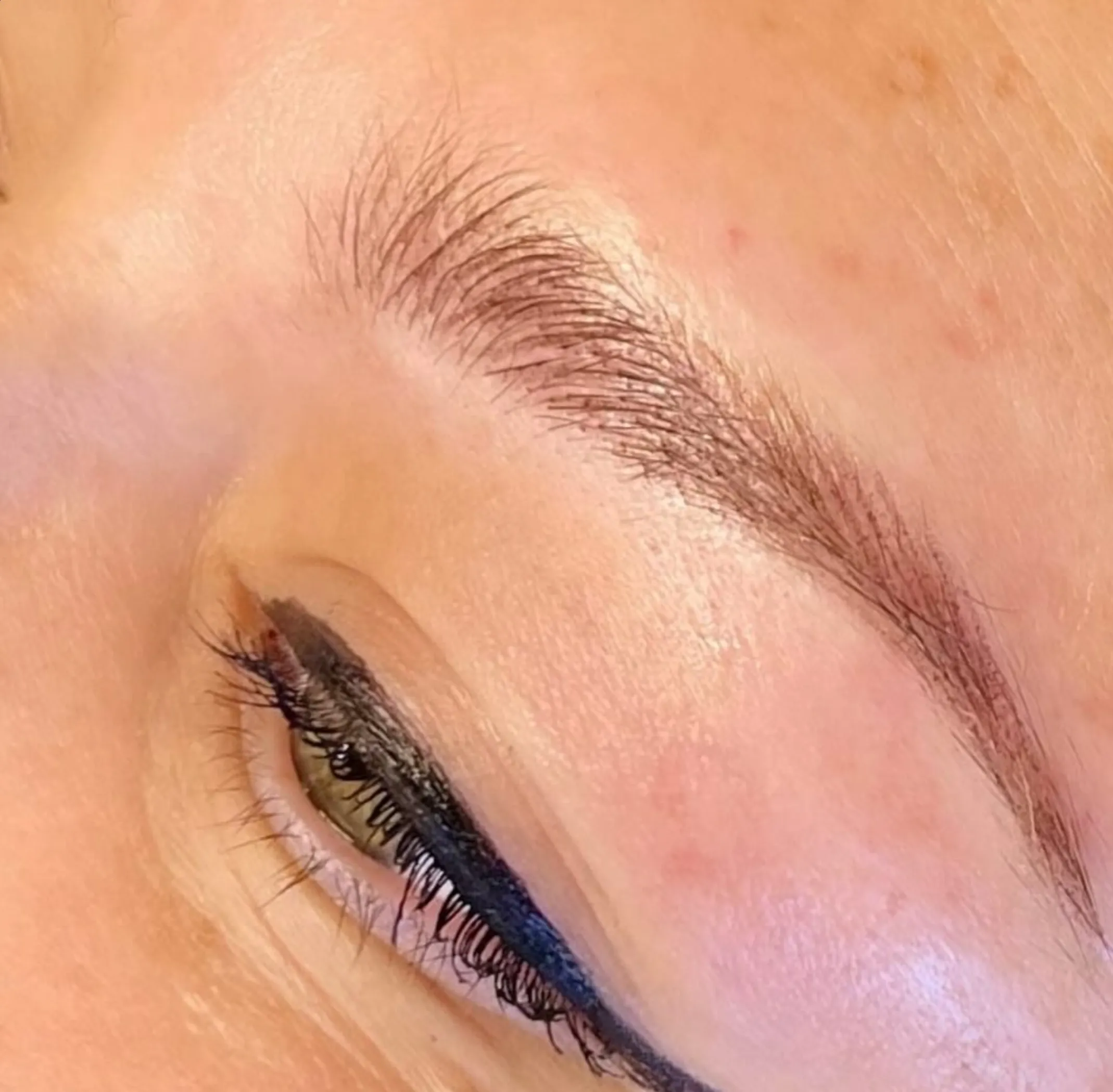
At my studio, I don’t let anyone near a tattoo machine until they can explain:
- The difference between infection control vs infection prevention
- Why colour pigment migration happens (and how to avoid it)
- How to safely perform services in line with organisational requirements
TAFE courses are known for being strict on professional presentation, hygiene, and compliance with industry experts‘ recommendations. If you’re coming from a background in spa treatments, beauty salon work, or make-up artistry, this is a massive upskill in your range of beauty therapies.
Payment Options and Study Support
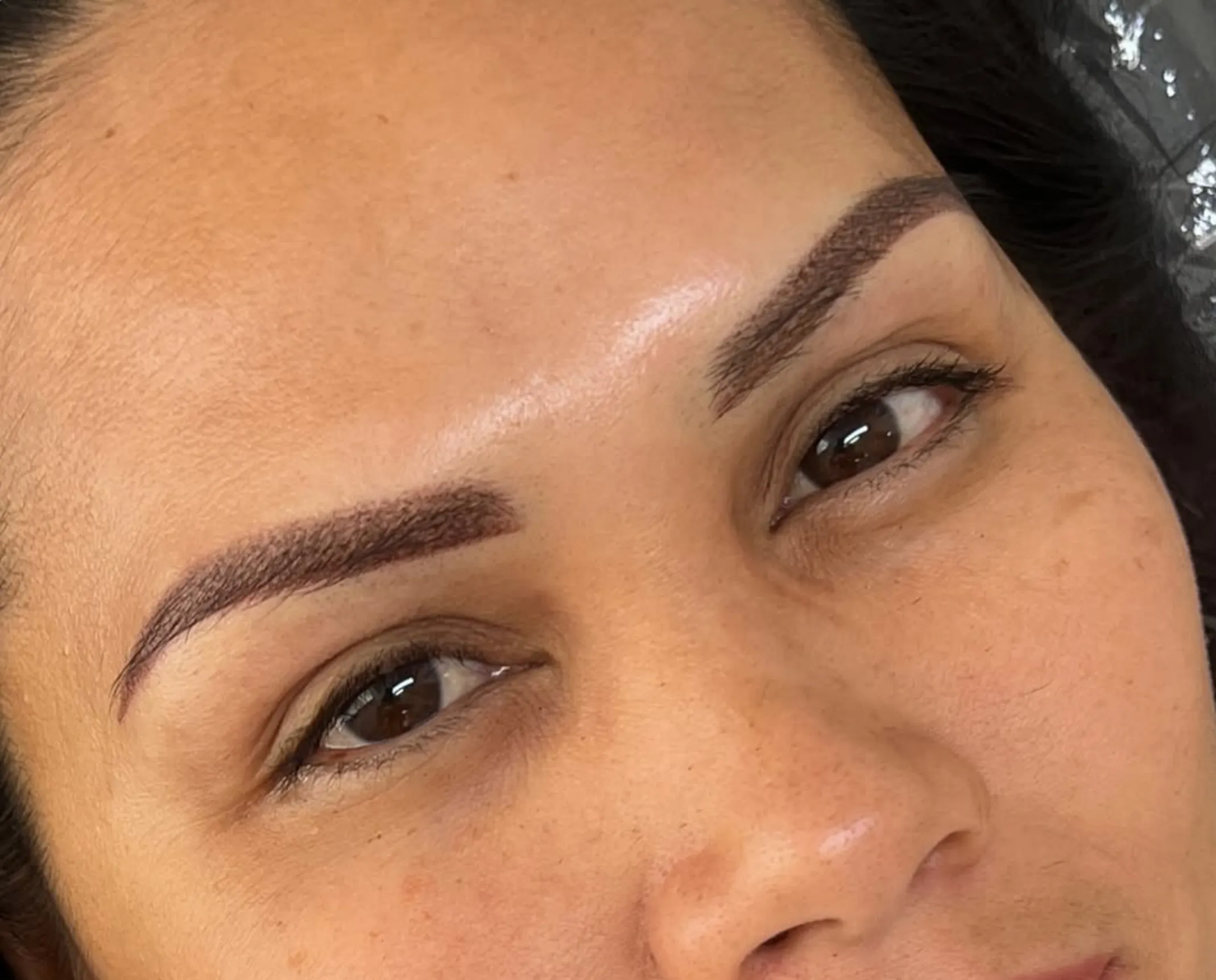
Most TAFE campuses offer a few ways to make payments less painful:
- Payment plans are split over the semester
- Government funding or concession rates (for eligible students)
- Some beauty training schools also offer VET Student Loans for diploma-level courses
But don’t assume you’ll automatically qualify. Always ask for a breakdown of what’s included and what isn’t, especially when comparing one training school or training organisation with another.
Final Thoughts
If you’re after a quick win, cosmetic tattooing might not be it. But if you’re in it for the long game — building a name, earning repeat clients, and offering results that stand up time after time — then yes, a TAFE course can be a smart move in the cosmetic tattooing industry.
Just make sure you choose a program that gives you:
- Comprehensive training, not just the basics
- Real salon time and hands-on training
- Ongoing student support
- Trainers who walk the walk in the cosmetic tattooing industry
Curious about which course best suits your goals or how to prep before enrolment? Shoot me a message — I’m happy to chat through your options as an advisor beauty retail consultant, sales advisor beauty coach, or fellow qualified beautician in the field.
FAQ
Can I do cosmetic tattooing without a beauty background?
You can, but it’s tougher. Having fundamental skills in skincare, brow treatments or make-up artistry makes a big difference. Many courses require a Cert III or previous industry experience from a qualified beautician.
What’s the difference between a TAFE course and a private training school?
TAFE courses are nationally accredited and often more structured. Private schools may offer shorter, niche courses but quality varies. Look for trainers with strong reputations and real client portfolios — like the highly regarded Cosmetic Tattoo Brisbane Studio Face Figurati.
How long before I can start tattooing clients?
After you finish training, most students need several months of practice (often unpaid or discounted) before they feel confident. Expect a gradual build of trust and industry experience.
Are there job opportunities after completing a TAFE course?
Yes — especially if you market yourself well. Many techs work in beauty salons, tattoo studios or even launch their own brow or lip blush businesses as a cosmetic tattoo artist.
Will I be able to work on all skin tones?
Only if your training covers it. Ask directly if the course includes training on skin undertones, colour theory, pigment selection for darker skin, and healing differences.