
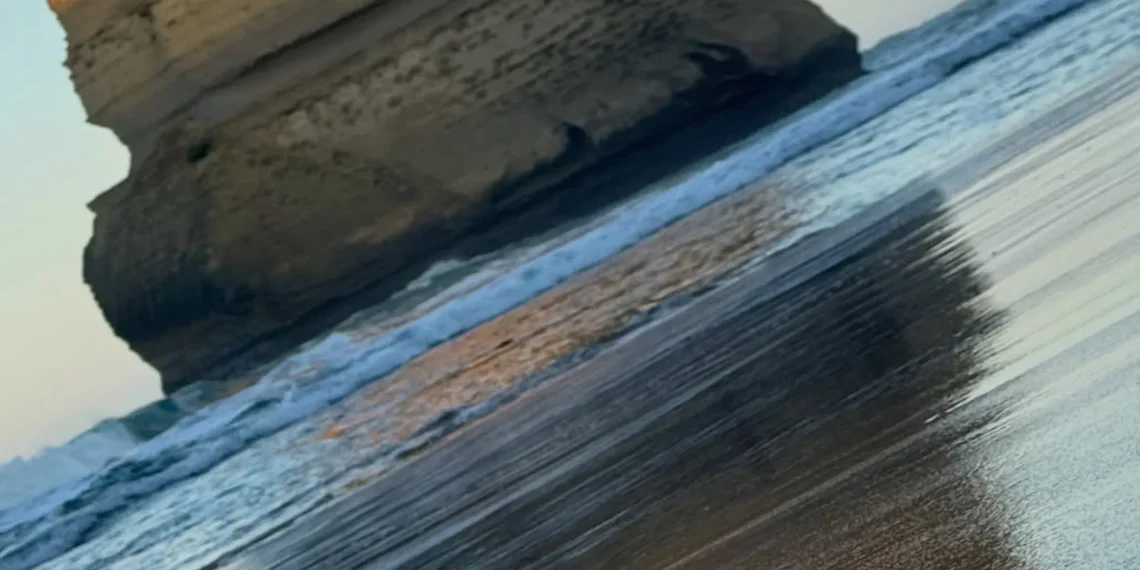
Australia’s Great Ocean Road Rock Formations: When is the best time?
The short of it is you should put spring or autumn in your diary and make for the coastal vantage points at sunrise or when the day has advanced enough for the tour bus exodus to thin out. Such an approach will put you in with a milder climate and clearer light, not to mention a better shot of taking in the Twelve Apostles without being jostled by the crowds.
I am Riley Pearson and I can tell you that if you are making plans for the Great Ocean Road, timing is what makes all the difference. One hour the lookouts and stacks are as cinematic and untroubled as they come, the next they are a windswept, car-park hassle. No need for anything so exacting as military planning, but you must be realistic about it.
Contents
- 1 An Honest View
- 2 What Timing Does for Your Trip
- 3 My recommendations for the seasons
- 4 Coastal Views and the Light
- 5 A Month by Month View
- 6 Getting Away From the Crowds
- 7 Some photo spots justify the effort
- 8 How long should the trip be?
- 9 In short, this part of the Victorian coast is for those who can put up with the odd bit of uncooperative weather and like a good scenic drive and a walk to the lookout. Photographers, families and the odd couple or solo traveller will find it to be an excellent proposition for their sightseeing, provided they are of a mind to enjoy the viewpoints.
- 10 Park Basics and Safety
- 11 A Checklist For Planning
- 12 Some Final Thoughts
- 13 FAQ
An Honest View
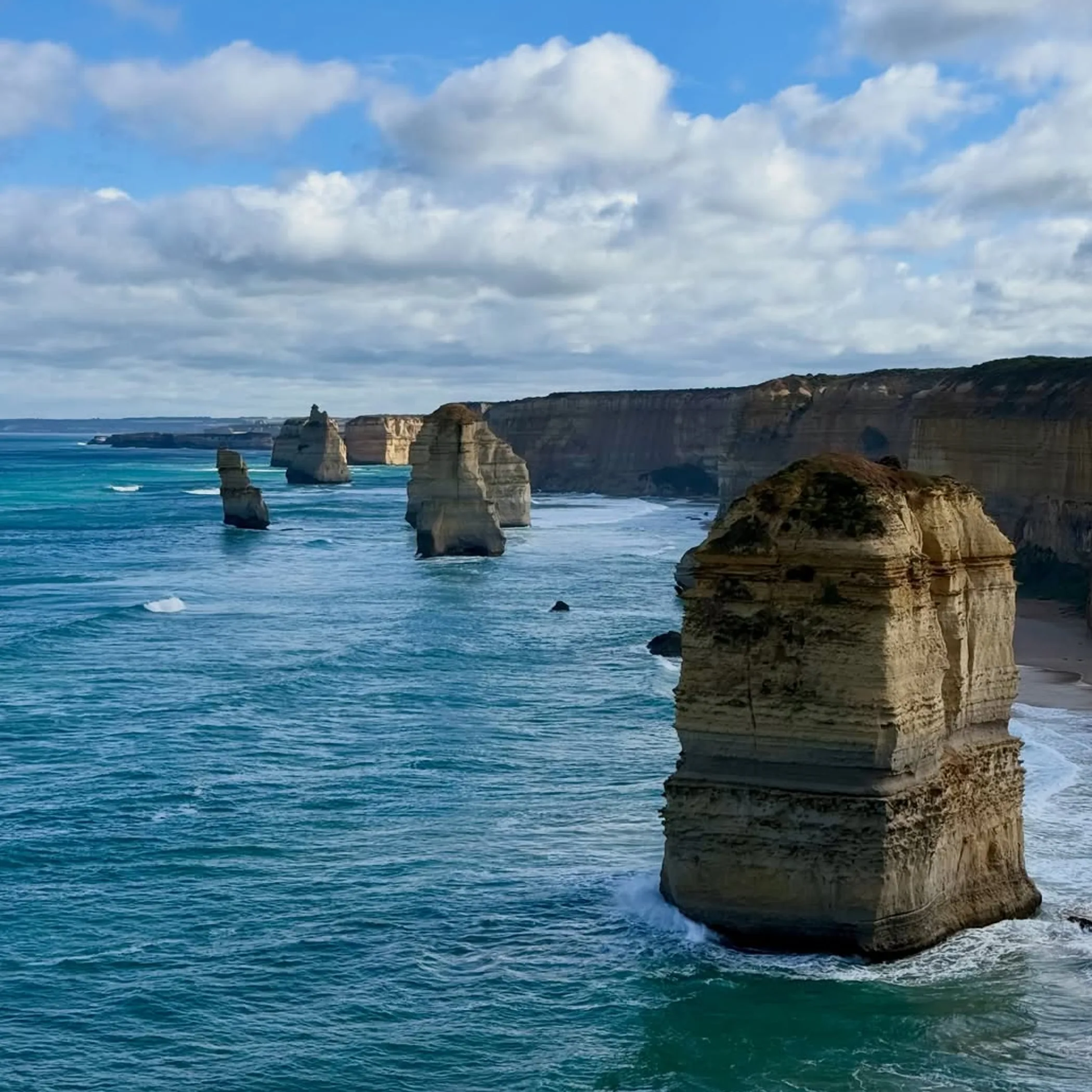
There is a tendency to underestimate this trip. People will think of it as a no-fuss day from Melbourne and then are confronted with hours behind the wheel, fitful weather and the fact that half the other visitors have had the same notion to put in an appearance at the same lookout.
But put in the effort and get the timing right and the rock formations more than repay you. The answer to when is the best time to visit, say for the Twelve Apostles or the Port Campbell National Park cliffs, is not so much a matter of some ideal month as it is of aligning the season and the light with the type of outing you are after. Don’t miss visiting the Razorback limestone formation for a spectacular view.
What Timing Does for Your Trip
Do not mistake these limestone features for something you would find in a museum. A clear morning in Melbourne is no assurance of equanimity on the coast; the wind can put an edge on the viewing platforms and the light will alter colour in minutes.
Any first-timer would do well to consider three things before settling on a date, says Riley Pearson: how tolerable the crowds are, your comfort with the weather and whether one wants to take a photo or just see the place without standing in the car park breathing in exhaust from the buses.
You would be surprised how much the light counts
With the sun coming at the cliffs near the Twelve Apostles from different angles, you will see its effect on glare and contrast. On a bright summer day midday has a way of flattening everything out, whereas in the early or late hours the ocean and the limestone have far more depth.
And then there are the crowds
Do not think they are only a summer affair at the hot spots. Buses from the Melbourne to 12 Apostles run of the mill will concentrate arrivals in the middle of the day any time of year, so a weekday can be more of a bother than you would think.
Weather you have to put up with
From one visit to another the conditions at a given lookout can be worlds apart. Sea spray, a bit of rain and wind are par for the course and they will dictate your visibility and how long you care to linger at an exposed spot.
My recommendations for the seasons
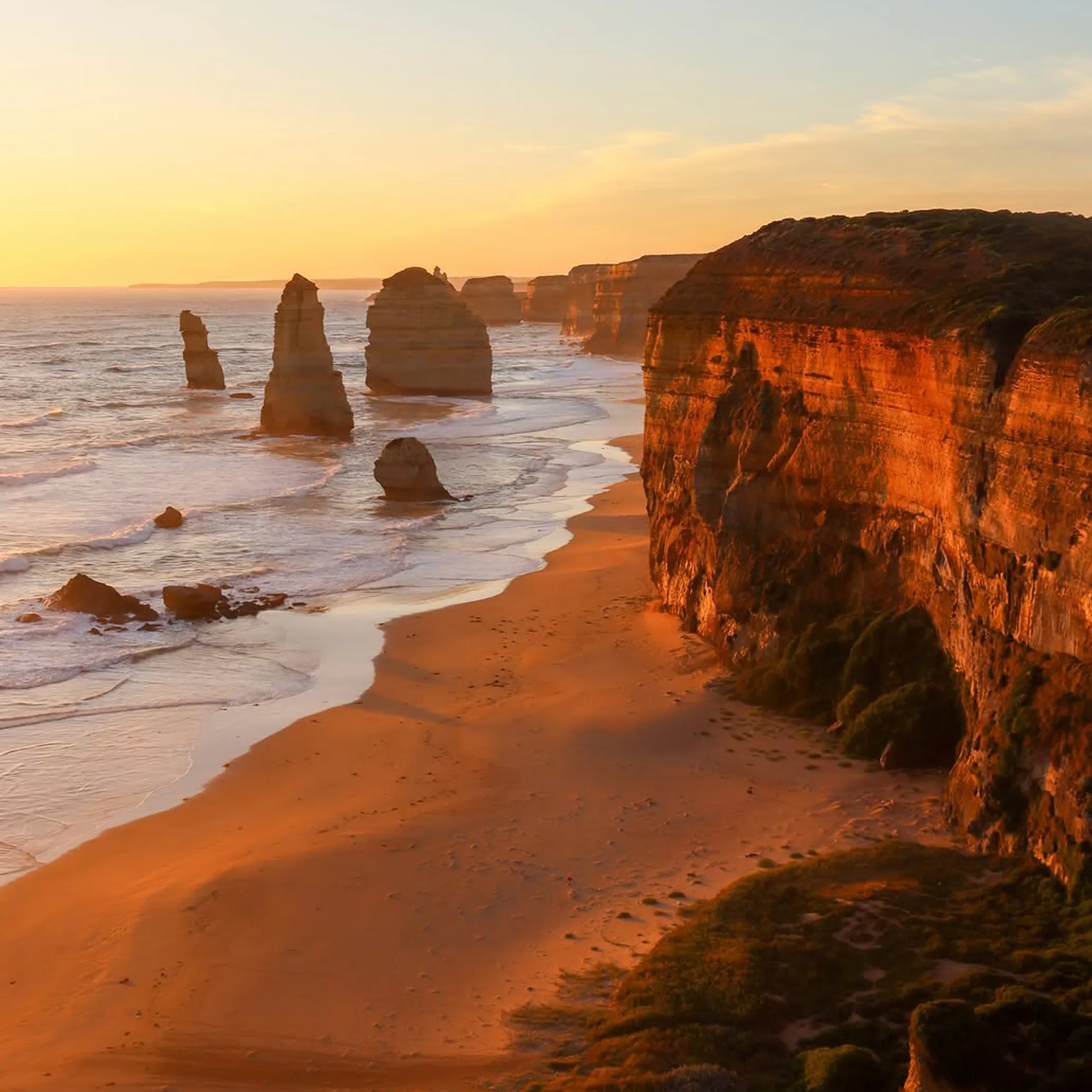
For a balanced view I would point you to spring and autumn. You get the shoulder season advantage: the coast looks dramatic instead of flat, the temperatures are agreeable for a walk between lookouts and you will not have the peak holiday hordes to contend with.
Winter and summer have their merits for certain types of traveller. The latter provides daylight and numbers; the former will give you whale watching opportunities and scenery with a mood to it, if you do not mind the cold wind in your face.
Spring is well worth considering
It is a solid choice for a visit to the Twelve Apostles. The road trip has a liveliness to it but is not over-run, and you will find the temperatures easier to bear than in summer. Wildflowers are in evidence in the hinterland and along the coast here and there. For the photographer there is often a good deal of cloud cover and cleaner light. It is also sensible for those wanting to put together a proper itinerary sans the school-holiday rush.
Summer has its energy
Warmer days, easy beach stops at Torquay and further afield make it popular. But it is also where you will see the most errors in planning, such as the idea of a leisurely return from Melbourne in a day. Do not count on it. Accommodation is in shorter supply, traffic is slower and the car parks are full. An overnight in the vicinity of Port Campbell is the way to go in summer, as opposed to putting in the effort to do it all at once.
Autumn: The Easy Option
I would put autumn down as the time to come to Great Ocean Road. There is a steadiness to the air and the road is not as frenetic as in the height of summer; you can make your way from one coastal vantage point to another without the need to elbow through the platforms or melt in the heat.
For those that value a modicum of comfort over something to put on their resume, this is the season. You will have good light and driving conditions and a fair chance of some quiet at the main formations.
Winter for the Patient
There is nothing wrong with winter, provided you are a traveller who can put up with the odd rain and cold wind for the sake of moodier seas and the odd whale to be seen off the Victorian coast. Fewer holiday-makers are about too.
But do not be under any illusion about it. Winter pictures may be epic but the platform will be slick and your fingers numb. If the cold is not your thing, do not romanticise the experience.
Coastal Views and the Light
Early morning or the hours before sunset are generally best. The coast has more of a texture then and the light is not so unrelenting, to say nothing of the fact you can avoid the worst of the midday throng.
One could argue there is no contest between a sunrise and a sunset at the 12 Apostles, they are different moods. It comes down to where you are based and how much driving you want to do, and if you are prepared to be up and about before your brain is fully working.
A Quiet Sunrise
The human noise factor is at its lowest at the Twelve Apostles at sunrise, weather permitting. An early start from Port Campbell or Peterborough will see you with softer light and an easier time of it on the boardwalk, and parking is no issue.
People make the mistake of attempting a sunrise from Melbourne in one fell swoop. You are looking at an extremely early hour and the possibility of fatigue, with no margin for delay. Make it a local affair if that is what you are after.
Drama at Sunset
The cliffs take on warmer hues and the ocean seems more layered at sunset, which is why it is so popular, particularly at weekends and when the evening is clear. Come earlier than you might think. Once everyone is jostling for position at the rail the last of the light is gone quicker than you would like and the pressure to park is on.
Midday
If you are on a big touring day and arrive at midday, it is fine. But it is the harshest time for glare and exposed walking, not to mention the tour buses, and you will find it the least co-operative for photographs.
A Month by Month View
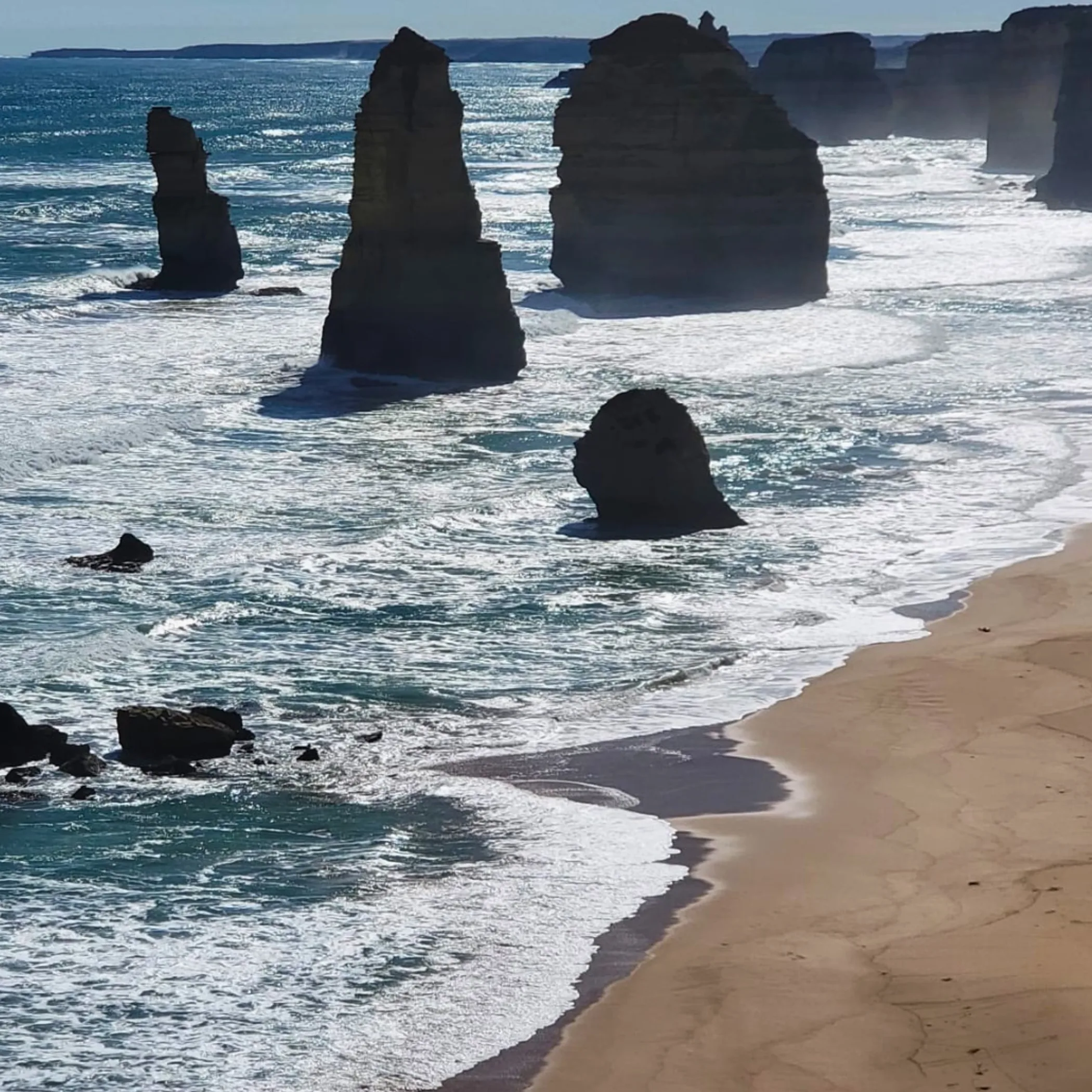
Here is the practical side of things for trip planning. Weather on the Great Ocean Road will vary from month to month, but these patterns can help you put together a comfortable road-trip while still making time for the views, the flowers and wildlife.
Consider the table below a guide, not a guarantee. Forecasts in coastal Victoria can change in a hurry so check them first.
For official park and visitor information, check Port Campbell National Park visitor information from Parks Victoria. You can verify site updates and conditions there.
Getting Away From the Crowds
You do not have to be a local to keep to yourself at the Great Ocean Road landmarks. Just eschew the habit of most and their rushed return to Melbourne schedule in the middle of the day.
The majority of the tour buses run to a clock so late morning to mid-afternoon is bound to be thick with them. Visit early or late and the problem is solved.
For the self-driver, it is best to be at the Port Campbell National Park viewpoints in the early morning or late afternoon. They will not be deserted but you will find a more human atmosphere.
A word on parking
The car parks at the major stops are as they should be, though they have a way of filling up when it is busy. Do not make the error of going round in circles and letting your temper get the better of you while the good light goes. Should a lookout be packed, put in an appearance at another stop in the vicinity and come back for it.
To tour or not
There is merit in a tour if driving is not your thing or time is of the essence, but you are at the mercy of their timetable. You can have it your own way with a private drive, to bask in the light and put in some time where others are content to check it off the list; factor in the expense of fuel, a hire car and a room and it is pricier, but worth it.
Some photo spots justify the effort
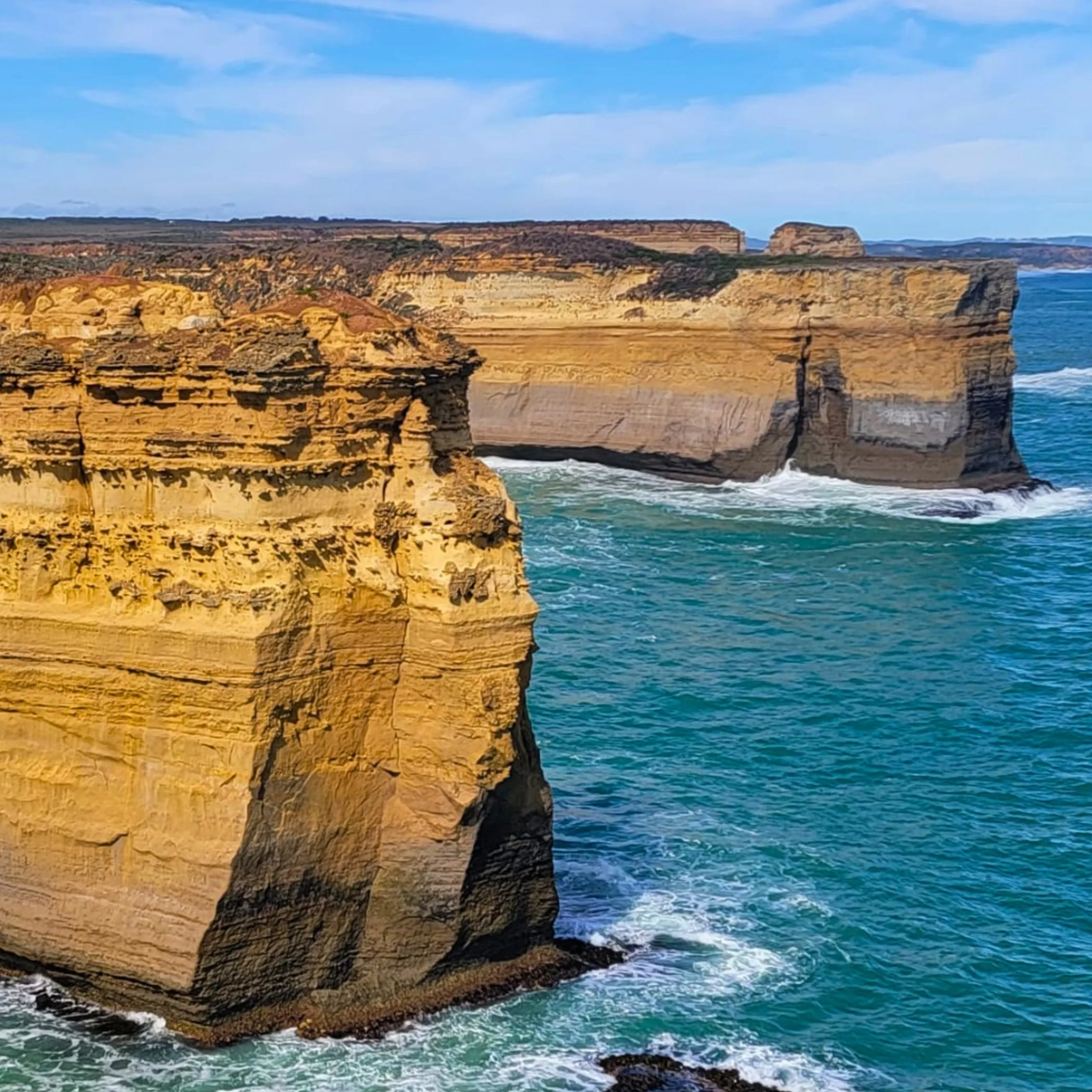
When the rock formations are the draw, do not go about amassing every signposted stop. Pick a handful that offer varying angles. The Twelve Apostles are the star attraction but there is variety and a little more elbow room in the formations close by. This is where one puts Great Ocean Road photography tips to use: wind and crowd placement are as much a consideration as the gear you bring, to say nothing of glare and spray.
Angles at the Twelve Apostles
Do not put down roots at the first opening in the railing. Put in a few steps along the viewing area and you will see an improvement in the separation of the stacks and fewer heads to contend with in your shot.
Razorback and its neighbours
Make room in your day for the Razorback limestone formation to get a different take on the coast’s sculpted edges. It is all shape and line, in contrast to the Twelve Apostles which has a way of drawing you out to the sea.
Time being what it is, couple the Apostles with the Razorback and a viewpoint or two instead of putting in a blitz of every lookout in the district. You will be better for it. Annoyingly adult but sound advice.
Camera work
- Midday has a habit of bleaching the detail from the cliffs so try for the light of early or late day.
- Have a cloth to hand for any sea spray on phone or lens.
- On an exposed platform you will want to brace against the wind, winter or shoulder season or not.
- Get your wide shot and then hunt for the finer details in the waves and cliff edge.
How long should the trip be?
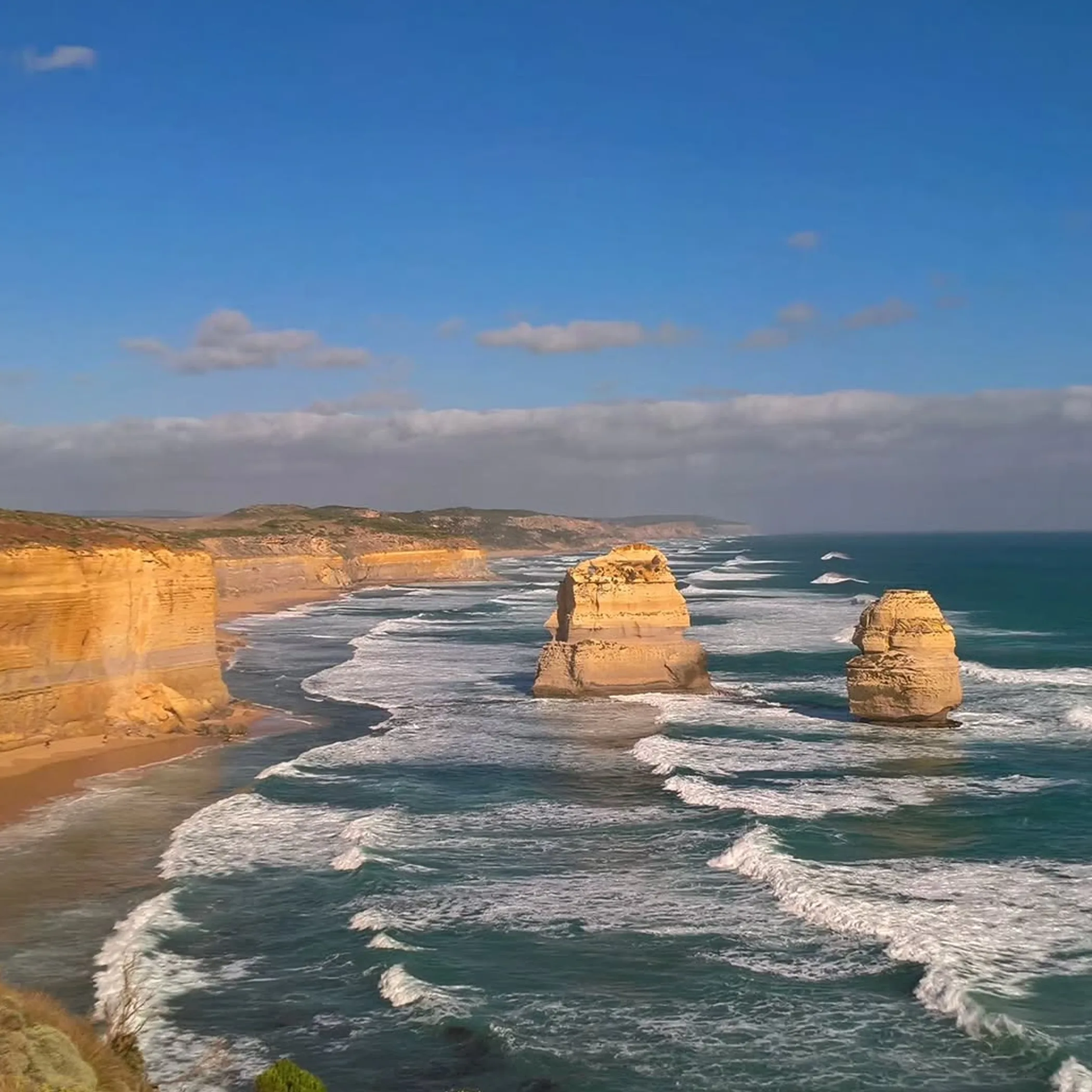
It is a trap to think of the Great Ocean Road and the Twelve Apostles as something you can put in casually from Melbourne in a day. You could, but it would hardly be relaxed. How far you can drive before you turn feral is what it comes down to. If the formations are what you are after, build the itinerary around Port Campbell National Park.
One day only
Then you are looking at a long haul from Melbourne and a day of hard driving. Stick to the western section around the Twelve Apostles and do not overdo the stops.
Two days is preferable
Most will find two days the right amount. A stay in the Port Campbell area means you can put in an easy morning at the main formations and enjoy the run through Torquay and Apollo Bay from Melbourne without having to be unduly punctilious with the clock.
What it will cost
You will not be charged to enter the lookouts at the Twelve Apostles but the costs come in elsewhere. Fuel, accommodation, meals and perhaps a car are the bulk of it. Book well in advance for summer or a holiday weekend as prices for an overnight near Port Campbell have a tendency to spike in the busy times.
In short, this part of the Victorian coast is for those who can put up with the odd bit of uncooperative weather and like a good scenic drive and a walk to the lookout. Photographers, families and the odd couple or solo traveller will find it to be an excellent proposition for their sightseeing, provided they are of a mind to enjoy the viewpoints.
Those who have no patience for long days in the car, require the weather to be clement or think that at noon a well known site should be tranquil would be better off elsewhere. The coast is not going to oblige you; one could say that is its appeal and its frustration in equal measure.
Park Basics and Safety
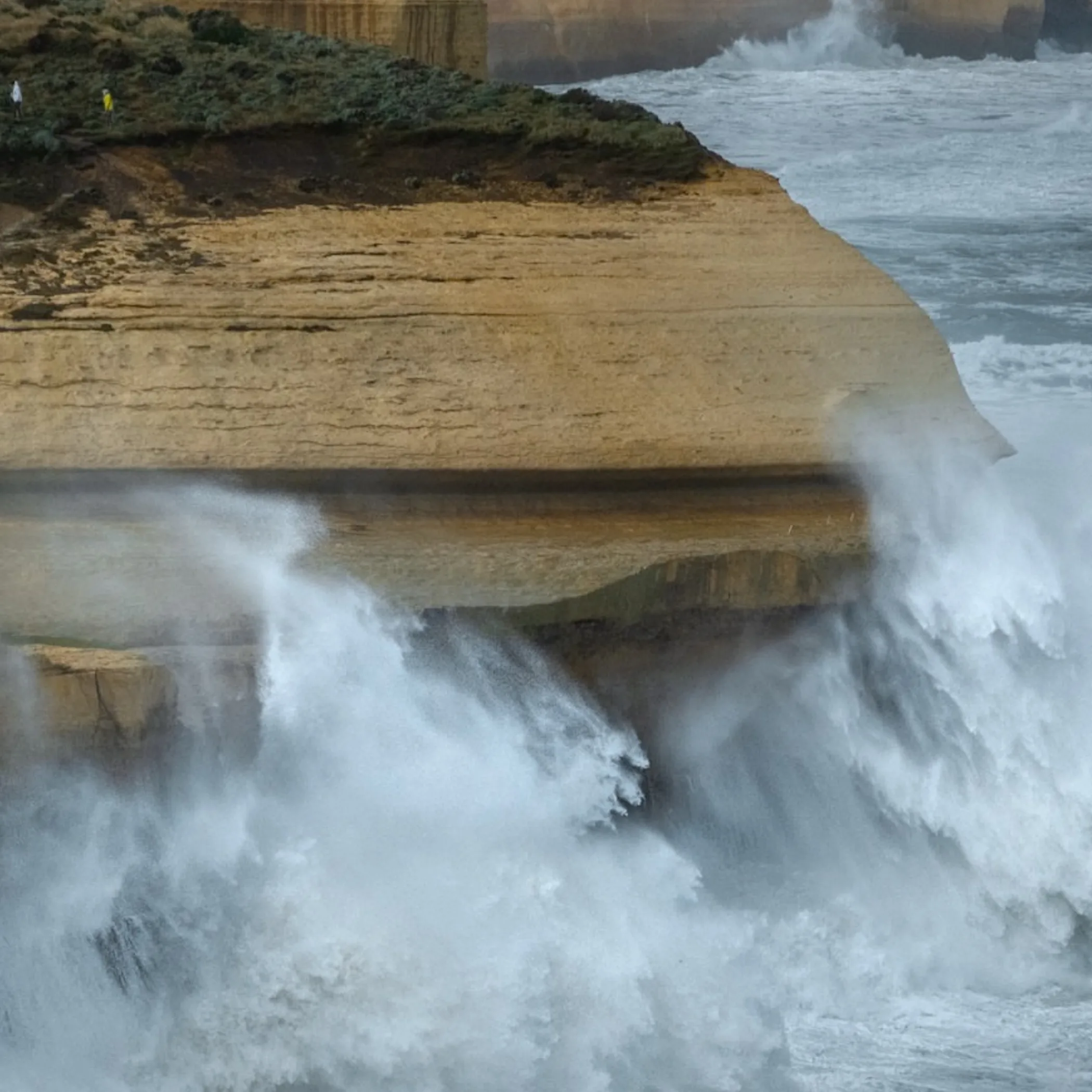
The scenery has a way of making people do foolish things. Cliffs are not to be trusted, a gust of wind can be more than it appears and a damp boardwalk is something to respect if your shoes have as much traction as a head of lettuce from the supermarket. In Port Campbell National Park one should confine oneself to the barriers and paths put in place. Do not regard any warnings or closures as optional; conditions have a habit of turning on a dime.
Where People Go Wrong
Fatigue is the main culprit, with same-day returners to Melbourne feeling it most. Put in an early start, make your stops and contend with the coastal wind and by afternoon things get sloppy. A coffee and a change of scene is preferable to yet another lookout when you are running down.
Accessibility
You will find the principal visitor areas at the Twelve Apostles to be some of the more accommodating on the coast, though path gradients, temporary works and the elements will dictate the level of accessibility. Should requirements be particular, the official park information is worth a check prior to your travels.
A Checklist For Planning
Here is the unvarnished version for those yet to make up their minds. A two-day itinerary is superior to a hurried day run. Spring and autumn are the seasons of choice for the all-round experience; for drama at sunset there is no harm in some company, but if you are local then sunrise is the way to go.
- Make of spring or autumn what you will for a good mix of light, crowd and weather.
- Be near Port Campbell for a leisurely viewing or to catch the morning.
- Steer clear of the midday rush.
- Do not succumb to the temptation to stop everywhere; the Twelve Apostles and a couple of lookouts in the vicinity are enough.
- And before you leave Melbourne, see what the park and the weather are like.
Some Final Thoughts
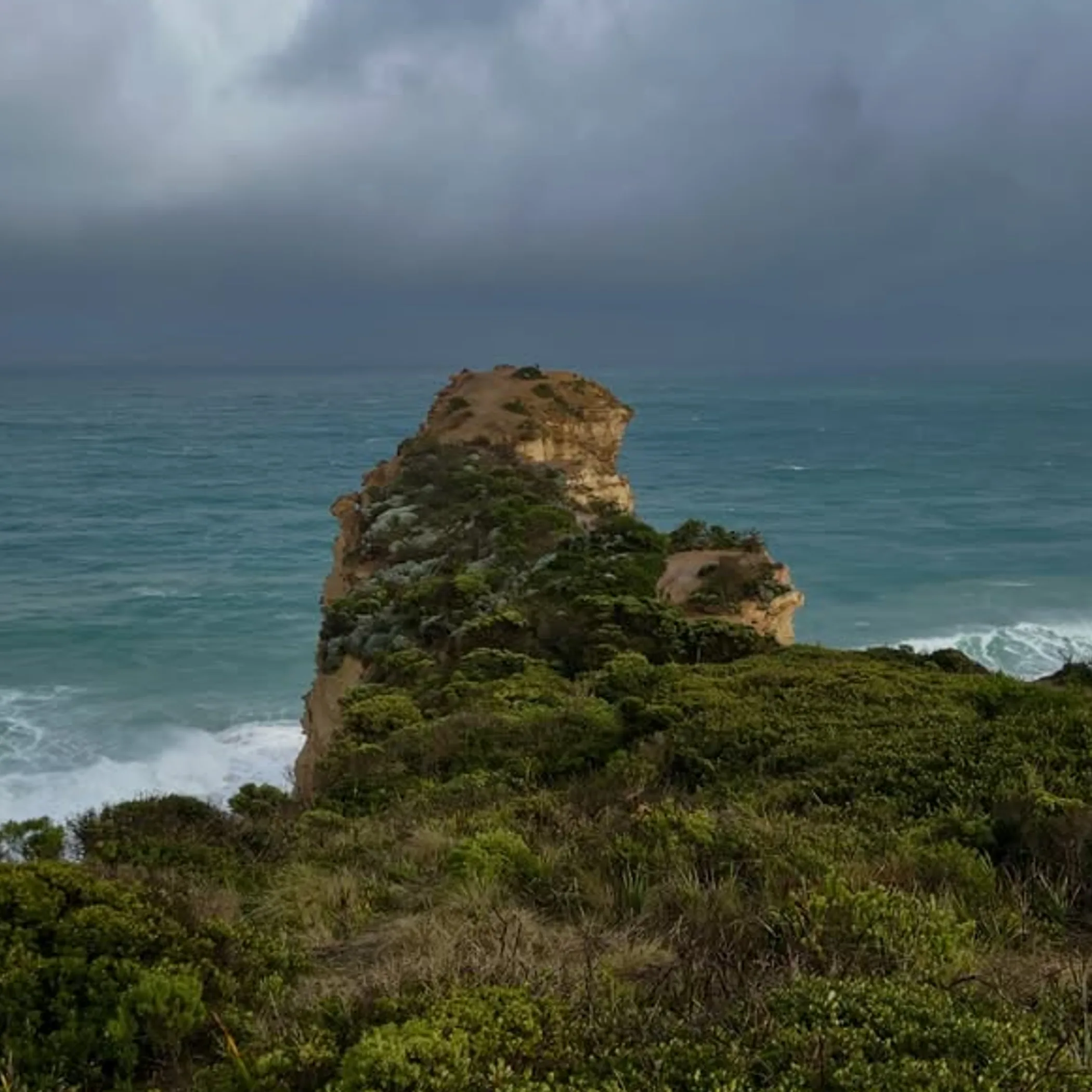
No month is infallible in its ability to deliver magic, but you can put the odds in your favour. I would have a friend put in a night at Port Campbell and plan the important lookouts for early or late light in the autumn or spring. Then one is not merely looking at the Great Ocean Road, but at it when it is in a position to be good.
FAQ
What is the best time of year for the Great Ocean Road?
Most would say spring or autumn to have milder temperatures and crowds in check along with decent light. Winter is for the moodier and hardier sort, being colder and windier; summer has its liveliness but also the crowds.
Which part of the road is the most beautiful?
The Port Campbell National Park is where you will find the concentration of geology if you are after rock formations. The Razorback limestone and the cliffs around the Twelve Apostles are the most dramatic.
When to visit the 12 Apostles?
Autumn and spring are generally the picks. You will encounter fewer of the peak-season bottlenecks and the light for photography and walking are more to your liking.
Is there a fee to get in?
Not to the main lookouts at the Twelve Apostles as things stand. Unless you eschew self-driving for a tour, your outlay will be for accommodation, food and transport.
Sunrise or sunset at the Apostles?
For the local traveller sunrise is quieter. Sunset tends to be warmer and more dramatic, and is the practical choice if you have made the drive from Melbourne in the course of the day.